
Putting Patients and Communities at the Center of Colorectal Cancer Research: The CRC-Gen Study
Colorectal cancer (CRC) is increasingly affecting younger people around the world. Early-onset colorectal cancer (EOCRC), defined as colorectal cancer diagnosed before the age of 50, presents unique challenges. Younger patients are often diagnosed at later stages, may experience more aggressive disease, and face poorer outcomes.
These challenges are particularly significant among people of African ancestry. However, much of what is known about the genetic and molecular drivers of colorectal cancer comes from research conducted primarily in populations of European ancestry. This creates a critical gap in understanding how colorectal cancers develop, how they behave, and how they should be treated in diverse populations.
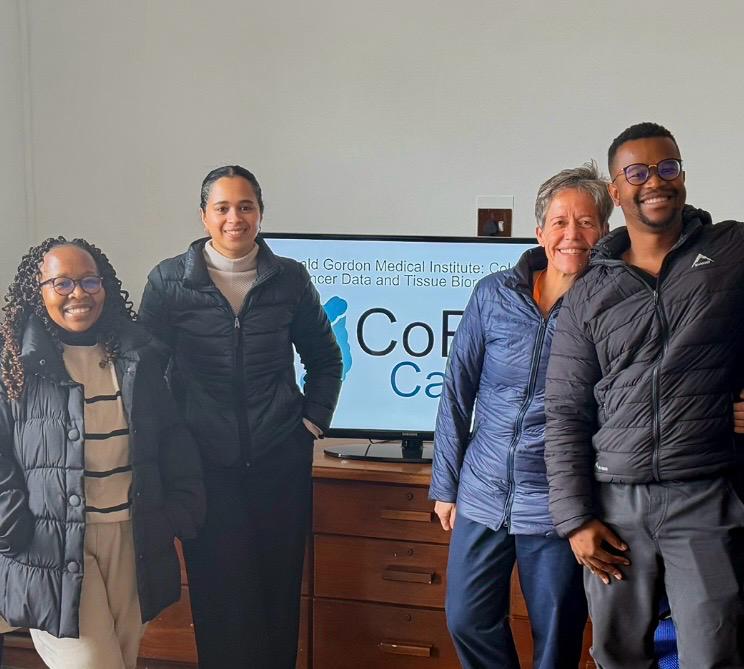
The CRC-Gen Study: Molecular Causes of Early-Onset Colorectal Cancers in South Africans of African Ancestry, also known as CoRect, aims to address this gap by investigating the genetic and molecular factors that contribute to EOCRC in South Africa. According to Principal Investigator Dr. June Fabian, “CoRect is a collaborative research program dedicated to understanding the unique drivers of colorectal cancer in African populations, generating evidence to improve prevention, diagnosis, treatment, and survival - particularly younger people who are increasingly affected - there is an urgency to advance this research in our setting. We can only effect change if we understand the cause.” The study brings together researchers, clinicians, cancer registry experts, and patient advocates to better understand the biology of early-onset colorectal cancer while ensuring that the patient perspective remains central throughout the research process.
Advancing Research Through Collaboration and Patient Partnership
The CRC-Gen Study is supported by a research grant from the Cancer Association of South Africa (CANSA). Through its commitment to funding research, educating the public, and advocating for and supporting people affected by cancer, CANSA recognizes patient advocacy and support as a core pillar of its mission. This commitment aligns closely with the CRC-Gen Study's emphasis on ensuring that the voices and experiences of patients help inform and strengthen the research.
The Global Colon Cancer Association (GCCA) is proud to be part of this important collaboration. The CRC-Gen Study represents a multidisciplinary effort to understand early-onset colorectal cancer among South Africans of African ancestry and ensure that research findings can contribute to more equitable cancer care, improved reporting, and informed policy decisions. The study team includes GCCA President, Nicole Sheahan, and GCCA Regional Director for Southern Africa, Tumi Ramasodi, as co-investigators.
Tumi Ramasodi is contributing the patient advocacy perspective to the CRC-Gen Study, helping ensure that the experiences, priorities, and needs of people affected by colorectal cancer are represented throughout the research process. Tumi is also supporting the development of recruitment materials to help make study information accessible, understandable, and relevant to the communities the research aims to reach. "For too long, patients have been the subjects of research. It is encouraging to now be partners in shaping it," she says. "Bringing the patient perspective into research helps ensure that the questions asked and the solutions that are being developed represent the realities of those that are most affected. I’m honoured to contribute my voice to this important work because every statistic represents a person, a family and a future."
Patient involvement is a critical component of the CRC-Gen Study. In South Africa, where formal early-onset colorectal cancer advocacy groups are limited, this project represents an important opportunity to strengthen connections between researchers and the communities affected by the disease.
Exploring the Molecular Drivers of Early-Onset Colorectal Cancer
The CRC-Gen Study will investigate several important questions:
· How much do inherited genetic factors contribute to early-onset colorectal cancer among South Africans of African ancestry?
· What changes happen inside colorectal cancer cells that cause tumors to develop and grow?
· Are the genetic patterns of colorectal cancers in South Africans of African ancestry different from those seen in other populations, and could these differences affect treatment options and outcomes?
· How can genetic research be connected with cancer data systems and patient advocacy efforts to improve cancer policies and care?
To answer these questions, researchers will analyze tumor samples from people previously diagnosed with EOCRC and establish a prospective cohort of newly diagnosed patients. The study will combine genomic analysis with detailed clinical, lifestyle, and patient information to develop a more complete understanding of early-onset colorectal cancer in this population.
Building a More Equitable Future for Precision Oncology
The CRC-Gen Study represents an important step toward making cancer research more inclusive and ensuring that advances in precision oncology benefit people from all backgrounds. By generating the first comprehensive genomic profile of early-onset colorectal cancer in South Africans of African ancestry, this research has the potential to improve understanding of disease biology, strengthen national cancer reporting systems, build research capacity, and lay the foundation for more equitable, patient-centered approaches to cancer prevention, diagnosis, and treatment.
For GCCA, participation in the CRC-Gen Study reflects a commitment to ensuring that people affected by colorectal cancer are not only included in discussions about care, but are also partners in the research that shapes the future of care.
When patients, advocates, clinicians, and researchers work together, we can build a more complete understanding of colorectal cancer and move closer to a future where every person, regardless of ancestry or geography, has access to the knowledge and care they need.