
Perspectives on the PCORI 2026 Annual Conference
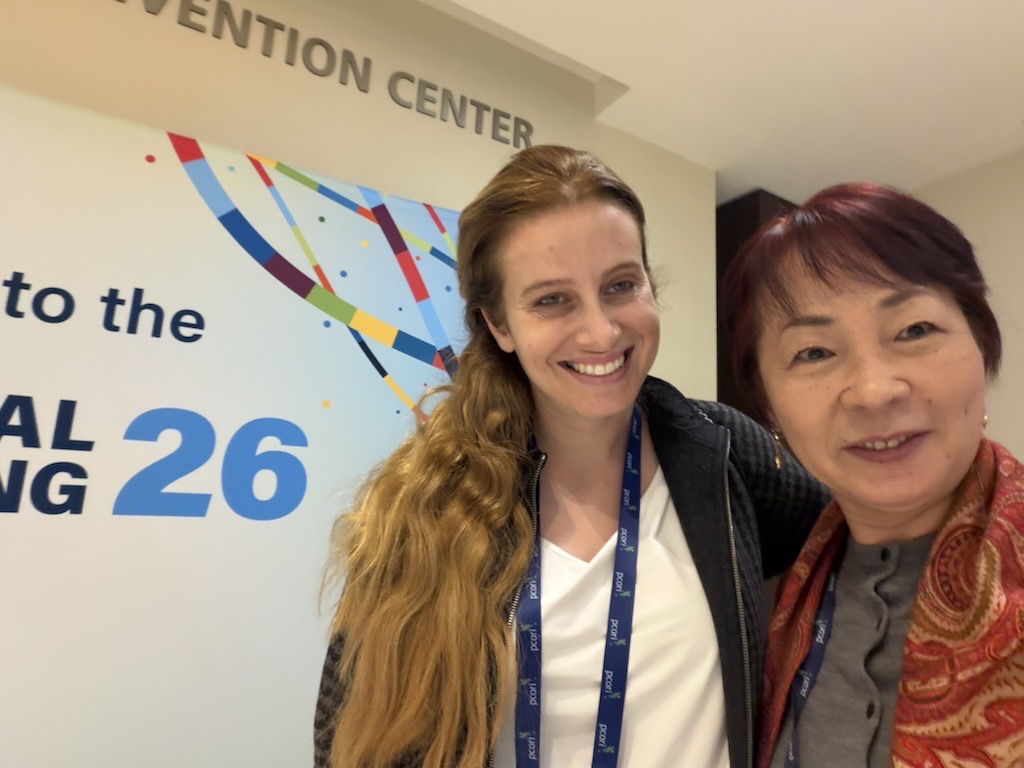
This month I joined researchers, clinicians, patients and advocates in Washington, D.C., for the PCORI 2026 Annual Conference on October 19–20. It was my first major conference as GCCA's new Program Director. I came home convinced that research done with patients, not just on them, is simply better research.
The Patient-Centered Outcomes ResearchInstitute (PCORI) is a remarkable organization. Congress authorized PCORI in 2010 through the Patient Protection and Affordable Care Act. It is an independent non-profit run through the Patient-Centered Outcomes Research Trust Fund, which draws on the U.S. Treasury and a small fee on health insurance plans. In December 2019, Congress reauthorized for another ten years, through fiscal year 2029.
PCORI funds comparative clinical effectiveness research: studies that compare the benefits and harms of different care options so patients and clinicians can make better choices together. What sets it apart is that patients and caregivers help shape the questions, design the studies and share the results. That model is what drew GCCA to the conference.
Patient-centered research is good research
The message I heard again and again: when patients help design a study, the study asks better questions. Patients know which outcomes matter in daily life. They know whether a treatment schedule is realistic, which side effects are deal-breakers, and why people drop out of trials.
Research that ignores those realities can be rigorous on paper and still miss the mark in practice. Patient partners make studies more relevant, easier to join and more likely to change care. At GCCA we live by the phrase "nothing about us without us." At PCORI, I saw what that looks like built into the research process from the start.
AI is already in the exam room
The opening plenary on artificial intelligence in healthcare set the tone for the whole conference. One point landed hard: patients are already using AI. Many now take their symptoms, test results and treatment questions to AI tools before they ever reach a doctor or a health website.
That shift is visible in the numbers. Panelists noted that web traffic to trusted health sites is falling as people get answers from AI instead. For patient organizations like GCCA, that is a real challenge. If people no longer visit our pages, we have to make sure accurate, patient-centered information still reaches them wherever they look.
It was fascinating to hear how the panelists use AI in their own work. A common thread ran through every example: organizations are realizing that if they don’t find a way to include AI, they will be left behind. ZERO Prostate Cancer, for example, runs a closed-loop SMS program. It feeds an AI chatbot vetted, accurate information, so patients can text questions directly into a trusted system. The Digital Medicine Society (DiMe) is using AI-based tools to support care navigation.
The patient voice is not yet universal
PCORI's model is a powerful example, but it is not the norm everywhere. Culture shapes how people think about illness, authority and who gets a say in care. In some countries, patient advocacy is still a new idea. Patients may be expected to follow a doctor's orders without question, and the idea of a patient sitting at the research table is not yet recognized.
That is why global perspectives matter so much. GCCA works with member organizations around the world, and we are committed to highlighting the work of advocates in places where the patient voice is still fighting to be heard. By sharing what is possible, we hope to spread awareness of how much better research and care can be when patients are included.
One highlight of the conference was connecting with my colleague Aiko Brody. Her indefatigable efforts to engage patient advocates across Asia are truly inspiring. She is building the relationships and trust that make patient partnership possible, often in settings where it has little precedent. Work like hers is exactly what we want to champion.
Lived experience deserves fair pay
Another conversation that stayed with me was about compensation. Patients who serve on research teams give their time, energy and expertise, often while managing illness, work and caregiving. They should be paid fairly for that contribution, just like any other expert on the team.
Fair compensation is not a courtesy. It tells patients their voice matters, and it makes participation possible for people who cannot afford to volunteer their time. Without it, research hears mostly from those with the most resources, which undermines equity from the start.
Lived experience is real expertise. A patient who has navigated a diagnosis, a treatment decision or a gap in follow-up care can change how a study is designed and how care is delivered. Valuing that knowledge, including with fair pay, is how we turn patient engagement from a box to check into a true partnership.
What this means for GCCA
As GCCA's new Program Director, I am excited to be part of this work. Patient-centered research is central to health equity, and health equity is central to our programming. Everything I heard at PCORI reinforced the direction we are heading.
In the months ahead, we will keep elevating the patient voice in colorectal cancer research and care around the world. That means sharing stories from advocates in places where patient engagement is still emerging, pushing for fair compensation for patient partners, and helping our community navigate new tools like AI with confidence.
Thank you to PCORI for a thoughtful and energizing conference, and to every patient and advocate who shared their experience. Your voice matters, and it is changing how care is delivered.