Global Ostomy Program
Improving access and advancing change.

The GCCA Global Ostomy Program
GCCA is developing a comprehensive Global Ostomy Program focused on access and advocacy, addressing both immediate needs and the systemic barriers behind them. GCCA is partnering to distribute essential ostomy supplies to people facing barriers, while advocating for policy and healthcare system changes that improve sustainable access.
What an ostomy is
An ostomy, sometimes called a stoma, is a surgically created opening that allows waste to leave the body through the abdomen. Ostomies are created for many reasons, including colorectal cancer, inflammatory bowel disease, diverticular disease and physical trauma.
For many people with colorectal cancer, an ostomy can be a life-saving part of treatment, making it possible to return to work, spend time with family, travel and live life after cancer treatment. But people living with an ostomy need ongoing access to the supplies that allow them to manage it safely, comfortably and with dignity, and for many people around the world, that access cannot be taken for granted.
Some ostomies are temporary, allowing the bowel to heal before a second operation; others, such as those following abdominoperineal resection for certain rectal cancers, are permanent. Even when temporary, reversal isn't guaranteed, and closure carries its own risks.
Understanding the global need
Ostomy care is a global need, but its true size is difficult to measure.
Estimates suggest:
United States
~1,000,000
China
~1,000,000
Europe
~700,000
Brazil
~400,000
Japan
~200,000
South Africa
~60,000
These are selected countries for which there are estimates. The estimates are not comprehensive national registry data, and in many countries reliable data simply do not exist.
That data gap is itself an advocacy issue: without accurate information, it is harder for governments and healthcare systems to understand the need, allocate resources and develop policies that ensure equitable access to ostomy care.
Consulting the experts
People living with an ostomy and those who work with them bring expertise that comes from experience. A Member Advisory Committee will ensure their perspectives and priorities inform the program's focus and advocacy efforts. GCCA members from each World Health Organization region will come together to guide the program.
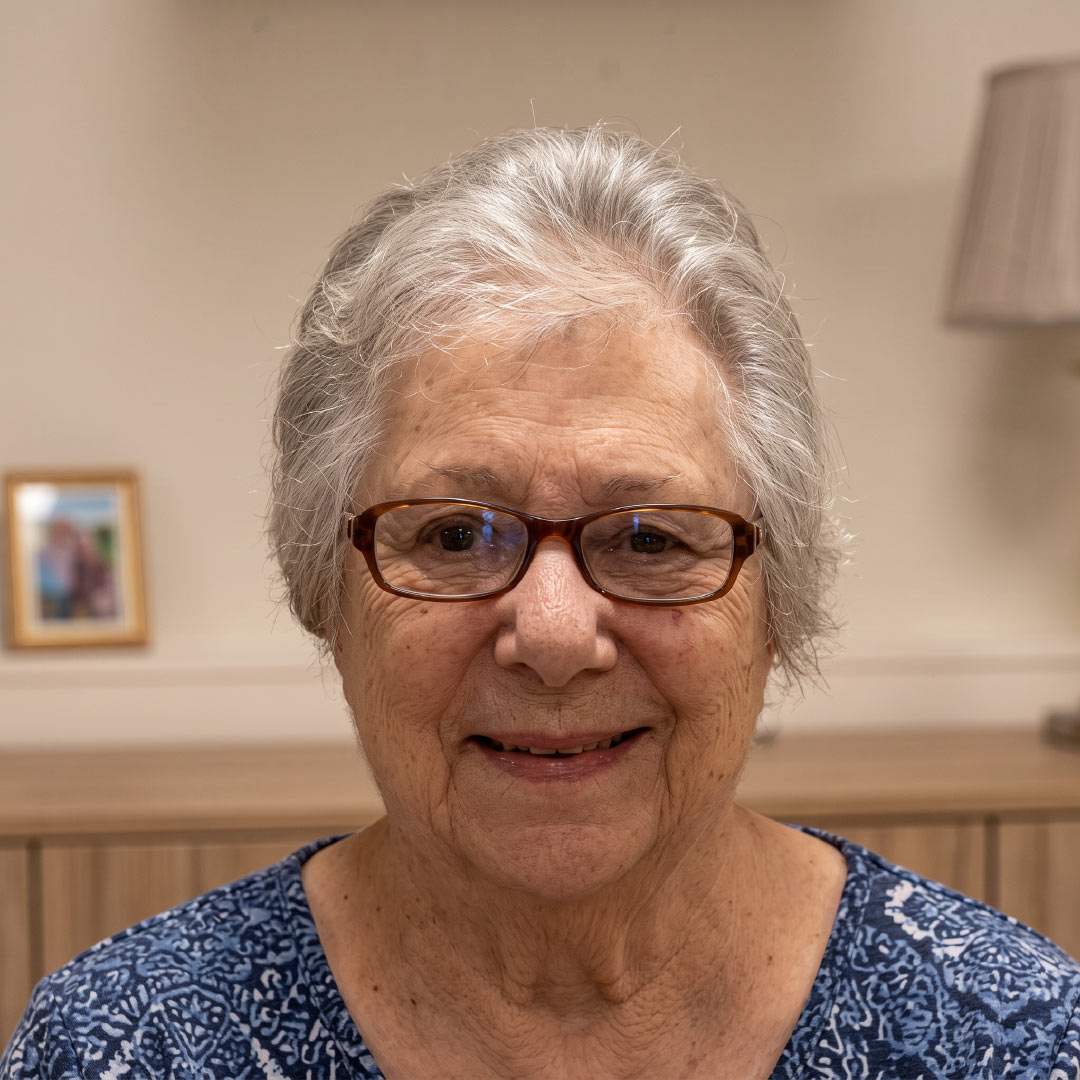
Ann Favreau
Ann Favreau, M.ED.
Friends of Ostomates Worldwide-USA President 2015-2019
FOW-USA Vice President 2024-2028, 2015-2019
International Ostomy Association Secretary 2005 – 2016
United Ostomy Association President 2000-2002
National Colorectal Cancer Roundtable Member 1999-2018
Colon Cancer Alliance Buddy for over 15 years
Colostomy since 1988 as a result of colorectal cancer
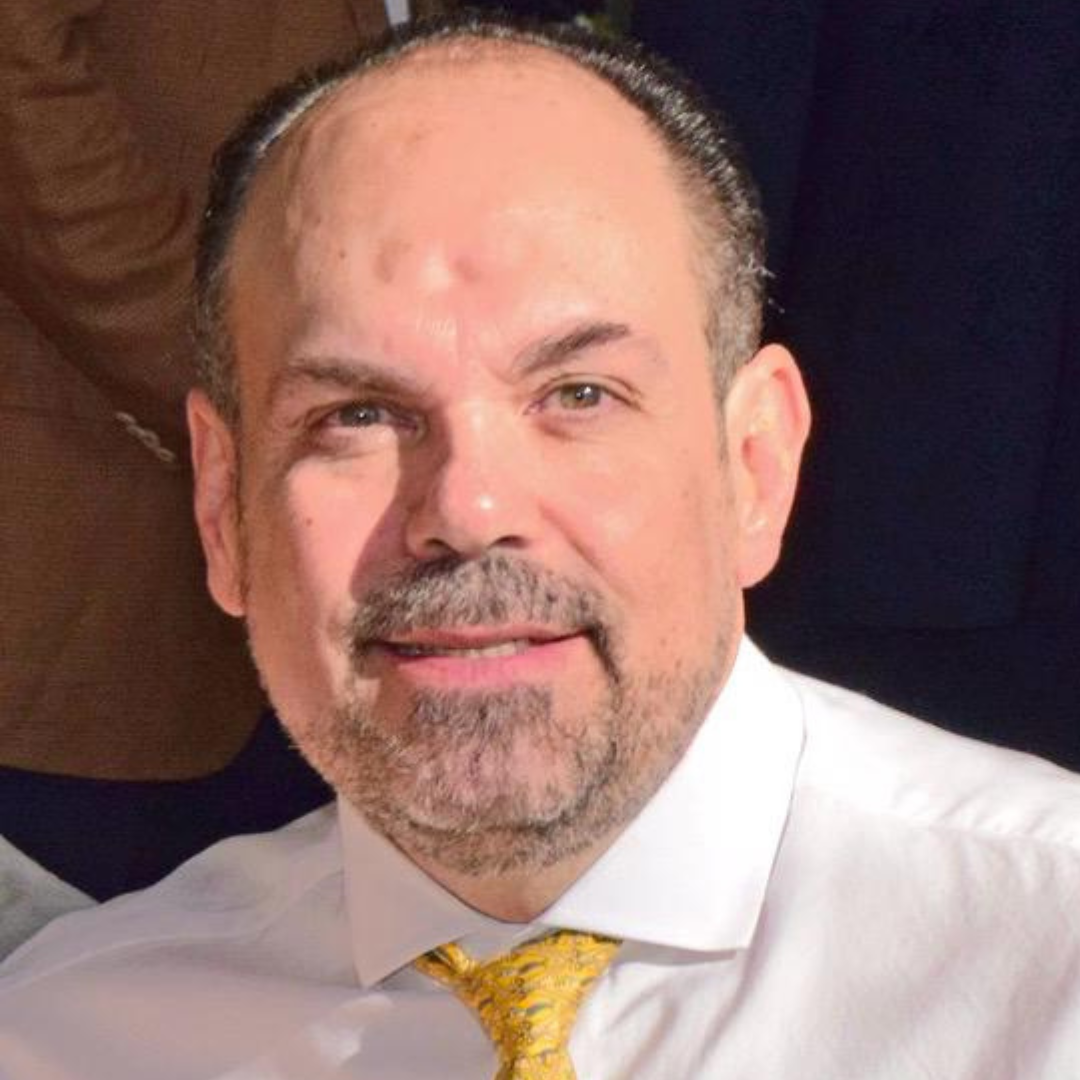
Francisco Freyria
Chief Executive Officer of the Fundación Fomento de Desarrollo Teresa de Jesús, (I.A.P.), whose mission is to provide comprehensive support to low-income individuals without any form of social security who are suffering from gastric or colorectal cancer, and to promote a culture of prevention and early detection. It is the only institution in Mexico dedicated to providing comprehensive support for these types of conditions.
Founding Member of the National Movement “Together Against Cancer,” which aims to be the largest and most inclusive national movement bringing together all those who, in an organized, ethical, and transparent manner, wish to improve the cancer care environment in Mexico.
Member of the Civil Society Commission for to promote comprehensive cancer care in Mexico through amendments to the General Health Law.
Member of the Board of Trustees of the Mi Gente I.A.P. Foundation, whose primary objective is to provide people living in extreme poverty with access to good nutrition and quality education.
Collaboration with the Board of Trustees of the “Quinta Santa María” Recovery Center, an institution dedicated to helping young people with alcohol and drug addiction issues, serving as a fundraiser through the lectures he delivers. Over the past 34 years, he has given testimonials and lectures throughout Mexico on topics related to addiction, sexuality, social responsibility, personal development, motivation, and values.
Major Achievements.
Partnerships and agreements with leading hospitals and public institutions in the healthcare sector, through which comprehensive support is provided to the most vulnerable individuals suffering from gastric or colorectal cancer.
Implementation of the Screening Program for colorectal cancer using the FIT test in collaboration with the National Cancer Institute and other main public hospitals.
In March 2018, as the main driving force behind the initiative for a decree DECLARING MARCH 31 OF EACH YEAR AS “NATIONAL COLORECTAL CANCER DAY,” in partnership with the Senate Health Committee, published in the Official Gazette in September 2019.
In September 2018, I participated as a member of the Mexican Delegation at the 3rd High-Level Meeting on Noncommunicable Diseases (NCDs) during the 73rd session of the United Nations (UN) General Assembly, presenting the Overview of Civil Society Organizations (CSOs) Regarding Cancer in Mexico.
In March 2025, she presented the Patient Journey and the Guide for Caregivers of Colorectal Cancer Patients, “Together on the Journey.”
Member of the Advisory Board of the World Patients Alliance, 2025–2027
International speaker and presente
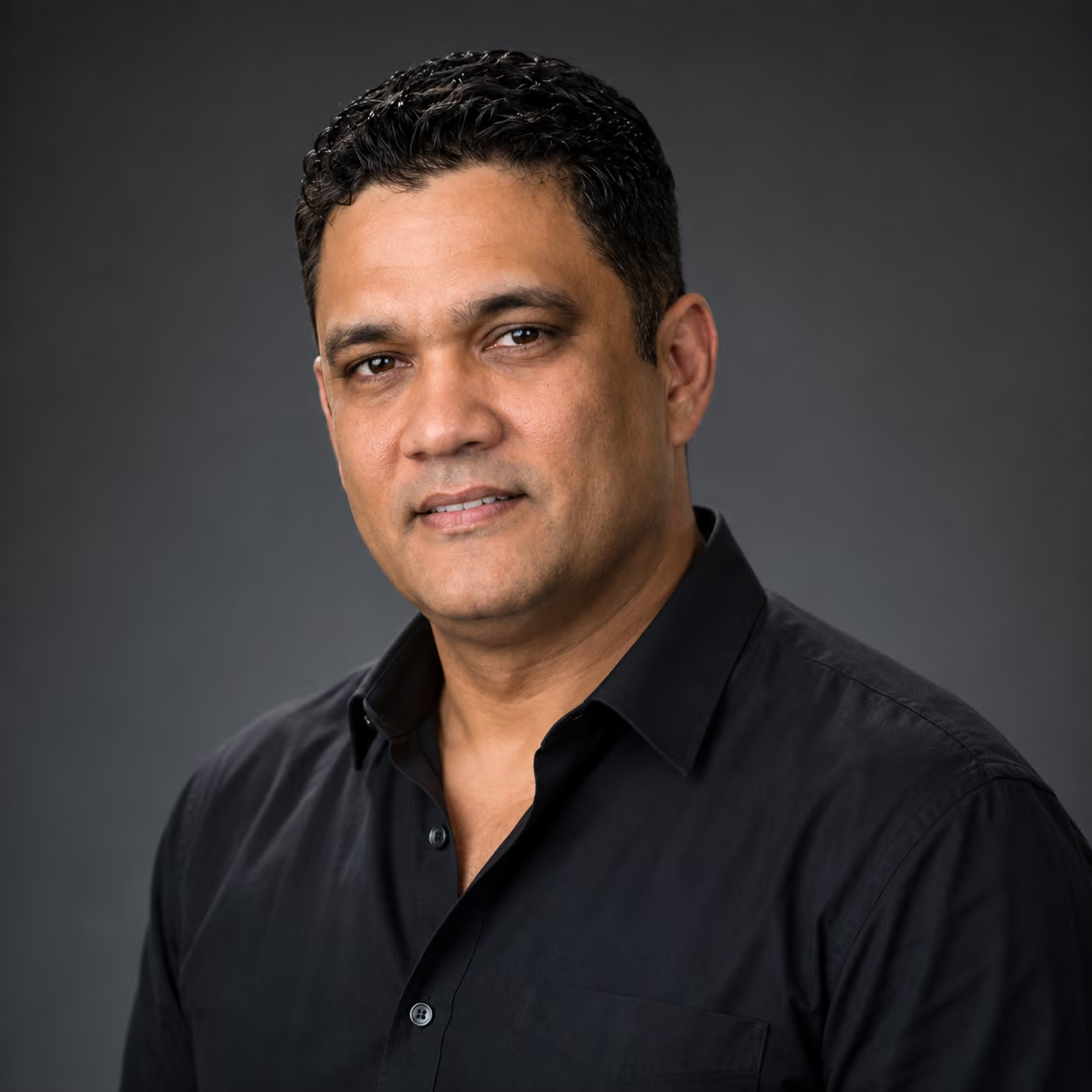
Faizel Jacobs
Faizel Jacobs – General Manager, SASS | President, African Ostomy Association
Faizel Jacobs is the General Manager of the South African Society of Ostomates (SASS) and President of the African Ostomy Association (AOA), where he works to strengthen the voice, visibility and representation of people living with ostomies across South Africa and the African continent.
Faizel's work sits at the intersection of patient advocacy, healthcare, policy, industry and civil society. He is passionate about ensuring that the lived experiences of patients inform the development of healthcare policy and that people living with ostomies have access to appropriate products, quality care, education and ongoing support.
Through his leadership at SASS and the AOA, Faizel works to build stronger collaboration between ostomates, healthcare professionals, patient organisations, industry partners and policymakers, while advocating for greater awareness of the challenges facing people living with ostomies, particularly in resource-constrained settings.
At a national level, Faizel serves as a member of the Ministerial Advisory Committee on Cancer (MACC), where he represents the Lived Experience Voice. In this capacity, he contributes the patient perspective to discussions around cancer policy, services and priorities, advocating for healthcare systems that recognise the realities and needs of people affected by cancer beyond diagnosis and treatment.
A key focus of Faizel's work is strengthening the evidence base for patient advocacy. He has been involved in initiatives to improve patient registration, data collection and engagement, recognising that the experiences and needs of patients must be visible in order to influence meaningful policy and systemic change.
Faizel is a strong proponent of collaboration across sectors and believes that sustainable improvements in healthcare require patients, clinicians, policymakers, industry and civil society to work together. His work continues to focus on building these partnerships and ensuring that the patient voice is not simply heard, but is actively incorporated into decisions that shape healthcare.
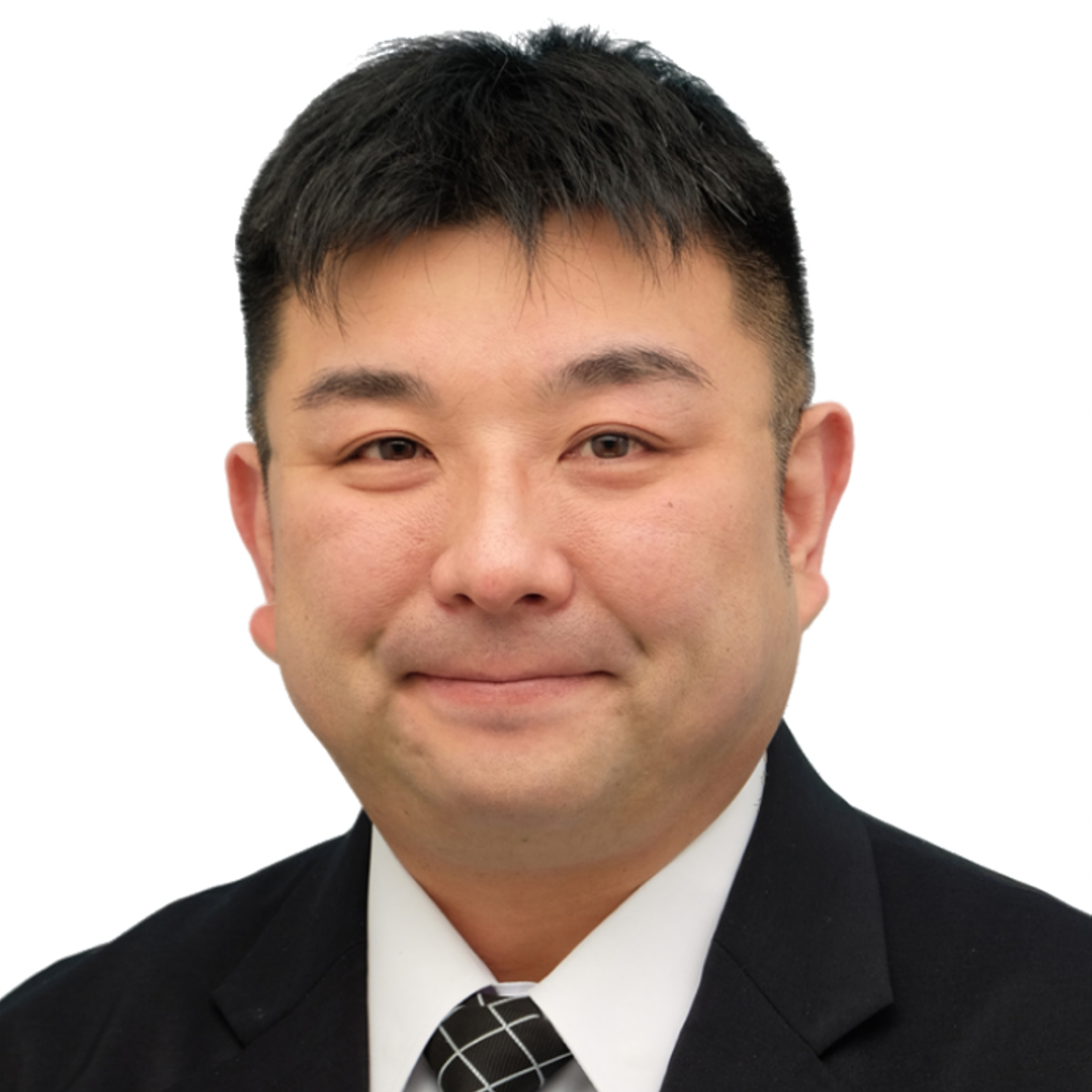
Satoshi Kakimoto
Satoshi Kakimoto
He suffered severe full-body burns during childhood but miraculously survived.
In 2008, at the age of 27, he was diagnosed with Stage 4 colon cancer and underwent surgery to create an artificial anus, becoming an ostomate. Despite this, he practiced judo and even competed in national tournaments. He has faced repeated cancer recurrences and metastases while also living with the aftereffects of his severe burns and a developmental disability.
While learning to coexist with cancer, he actively engages in peer support and shares his experiences through classes and lectures, aiming to foster a society that embraces diversity. He also frequently participates in academic conferences and makes media appearances.
------------
柿本 聡
幼少のころに全身やけどをし、奇跡的に助かる
2008年27歳で大腸がん(ステージ4)に罹患し人工肛門を作りオストメイトとなる。オストメイトでありながら、柔道を行い、全国大会にも出場。がんだけではなく全身熱傷や発達障害なども抱えながら再発転移を繰り返す。
がんとの共存をしながら、授業や講演などで自身の経験を伝えることで、多様性の社会の実現を目指しながら、ピアサポート活動にも精力的活躍し、学会参加やメディアにも出演多数。
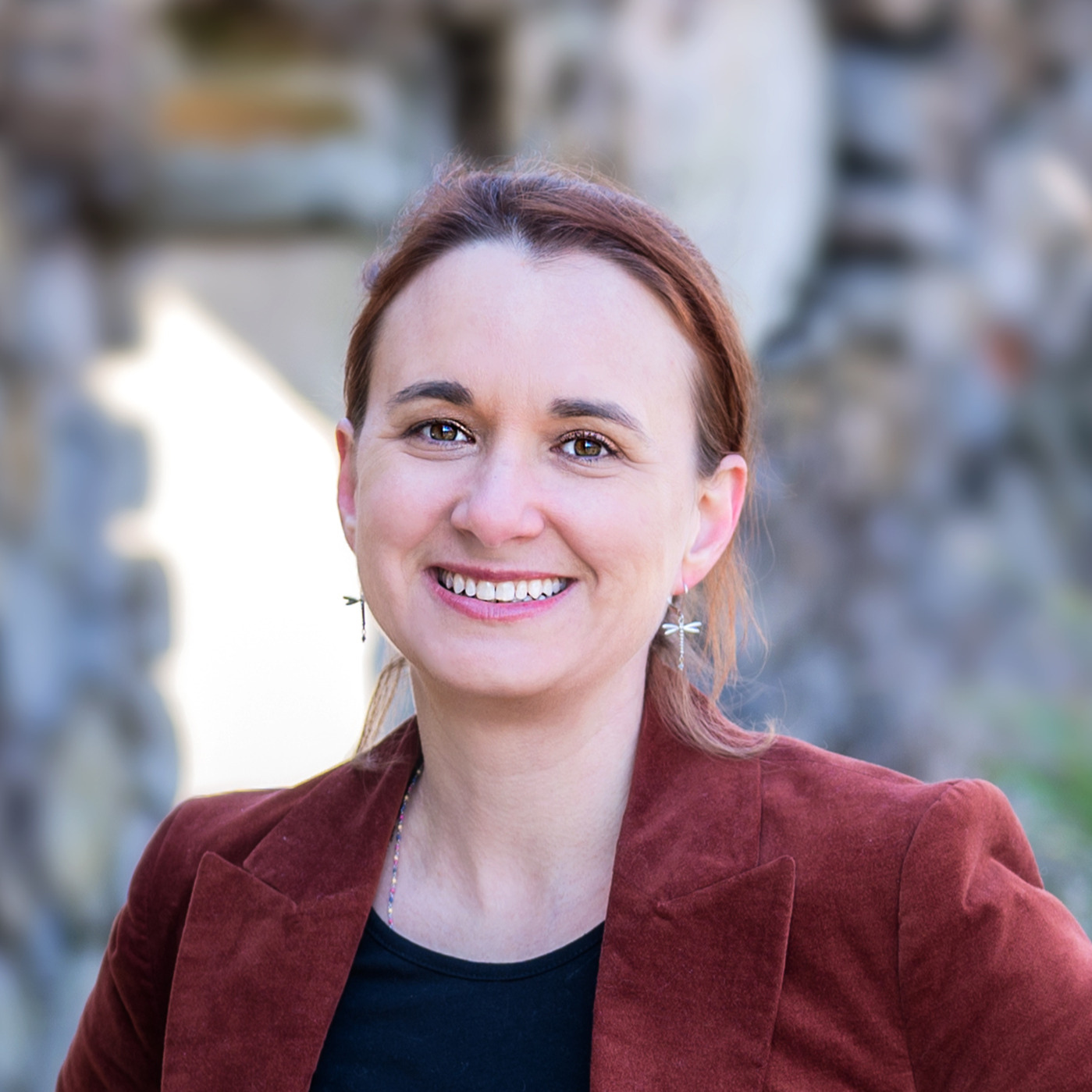
Katell Maguet
Katell Maguet is a French researcher based in the Netherlands. She is a scientist at heart, passionate about data and innovative approaches.
Diagnosed with stage 3 colorectal cancer at the age of 40, Katell is now in remission and lives with a permanent ostomy. Throughout her patient journey, she faced various challenges, including the low awareness of early-onset colorectal cancer, the complexity of navigating the healthcare system and the difficulty of obtaining timely, reliable information.
She decided to become a patient advocate, and she is now a EUPATI fellow.
She works to bridge the gap between academic research, pharma companies, healthcare systems and the public, making science more accessible and ensuring that patient voices are heard and valued.
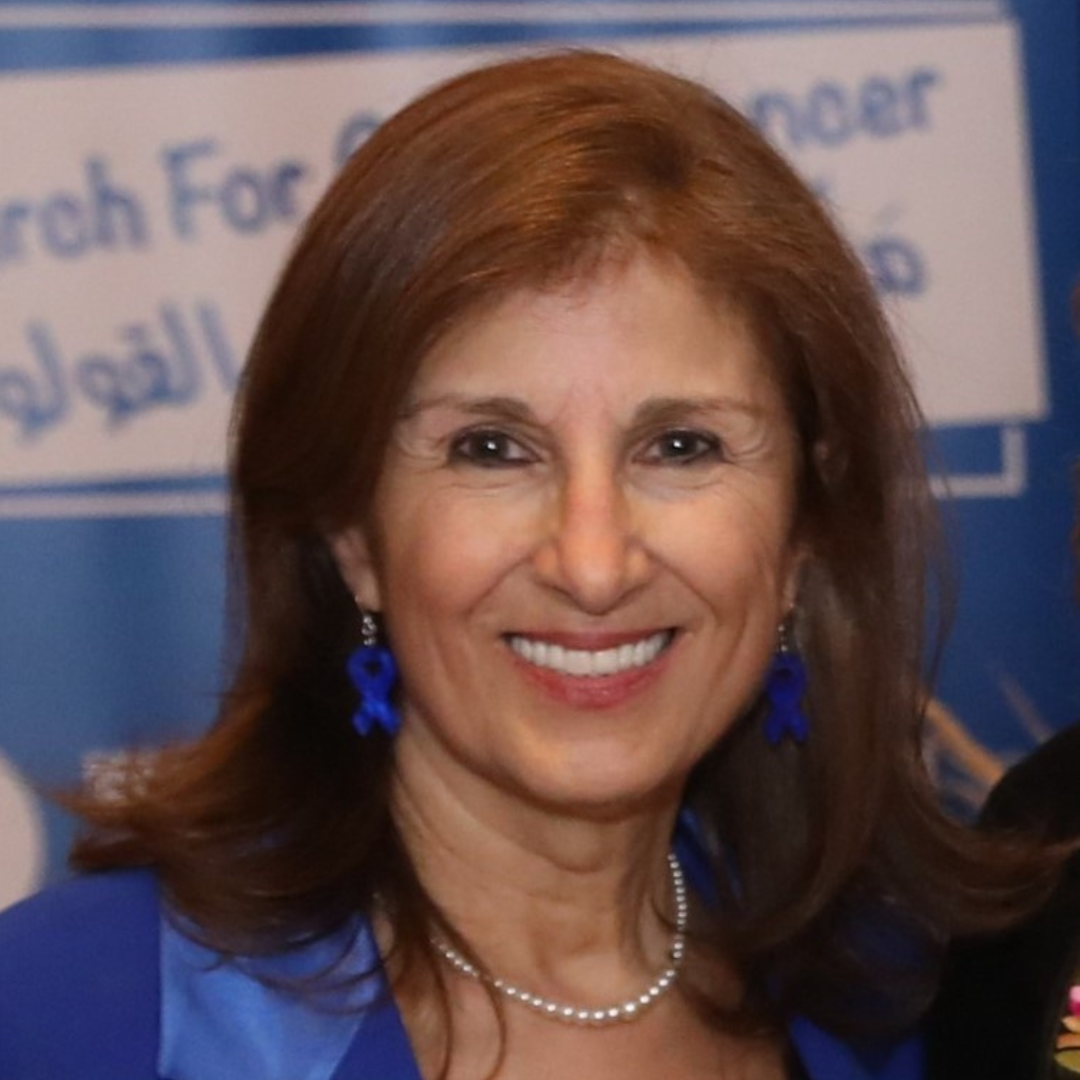
Hana Nimer
I am the Founder and CEO of SAID NGO, a Lebanese organization dedicated to colorectal cancer awareness, prevention, screening, early detection and patient support.
For the past decade, I have led SAID NGO in expanding access to colorectal cancer screening, particularly through FIT, while developing patient navigation, community awareness and partnerships with healthcare institutions and organizations.
I am passionate about strengthening collaboration across organizations and ensuring that people affected by colorectal cancer have access to the knowledge, support and care they need. I look forward to bringing this regional perspective to the GCCA Ostomy Program Committee.
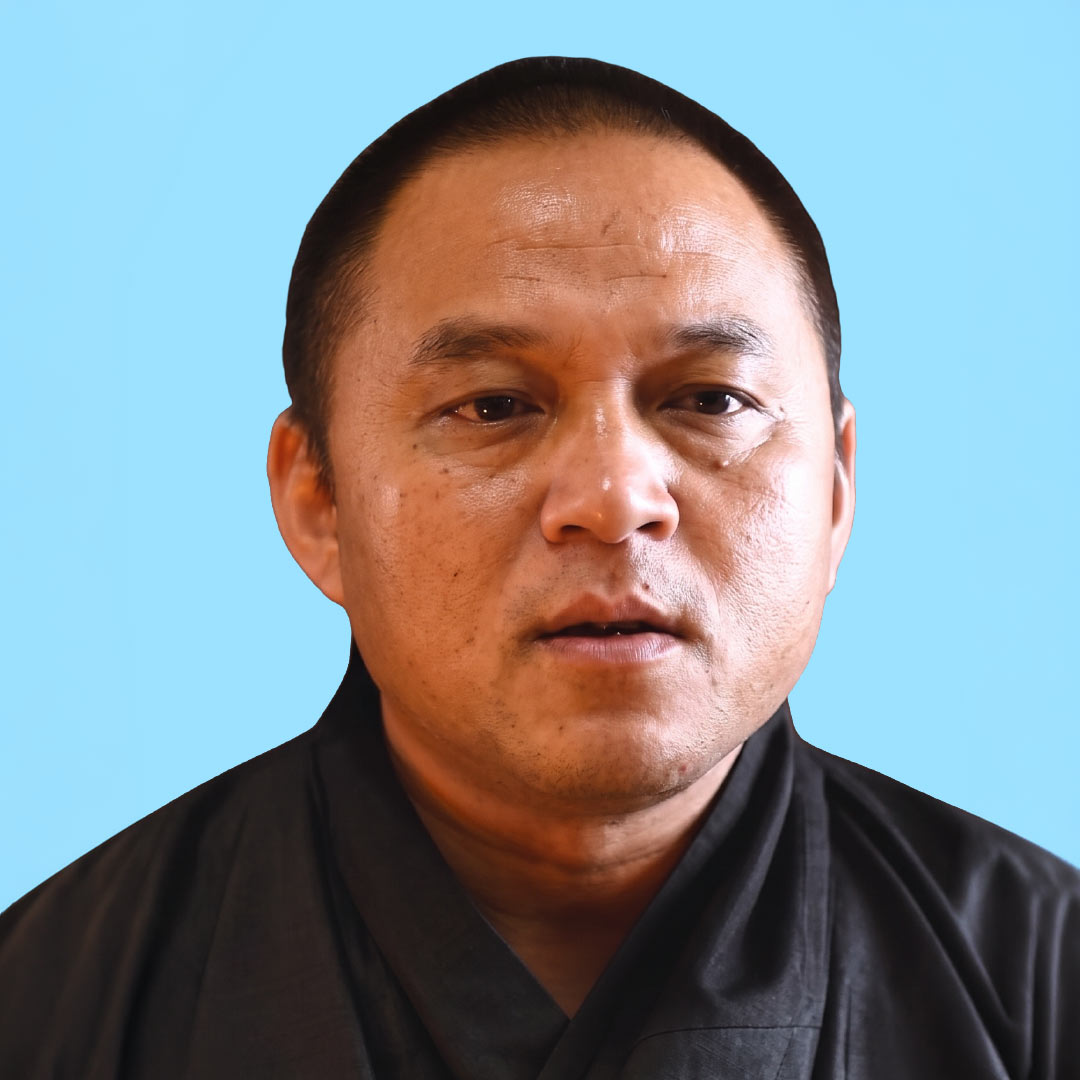
Karma Tobgay
I am the Executive Director of the Bhutan Cancer Society (BCS), where I lead the organization’s programmes and strategic initiatives in cancer prevention, awareness, patient and family support, advocacy, and organizational development. I have successfully led a range of cancer-related projects and initiatives, including two consecutive projects on colorectal cancer supported by the Global Colon Cancer Association (GCCA) from 2024 - 2025, and 2025 - 2026. My work has focused on strengthening community engagement, improving cancer awareness, and enhancing support for people and families affected by cancer in Bhutan. I have a vast experience of 16 years working in the field of civil society that focuses on health barriers, social, support and care.
Member organizations