
From Chicago to Seville: A Busy Start to the Second Half
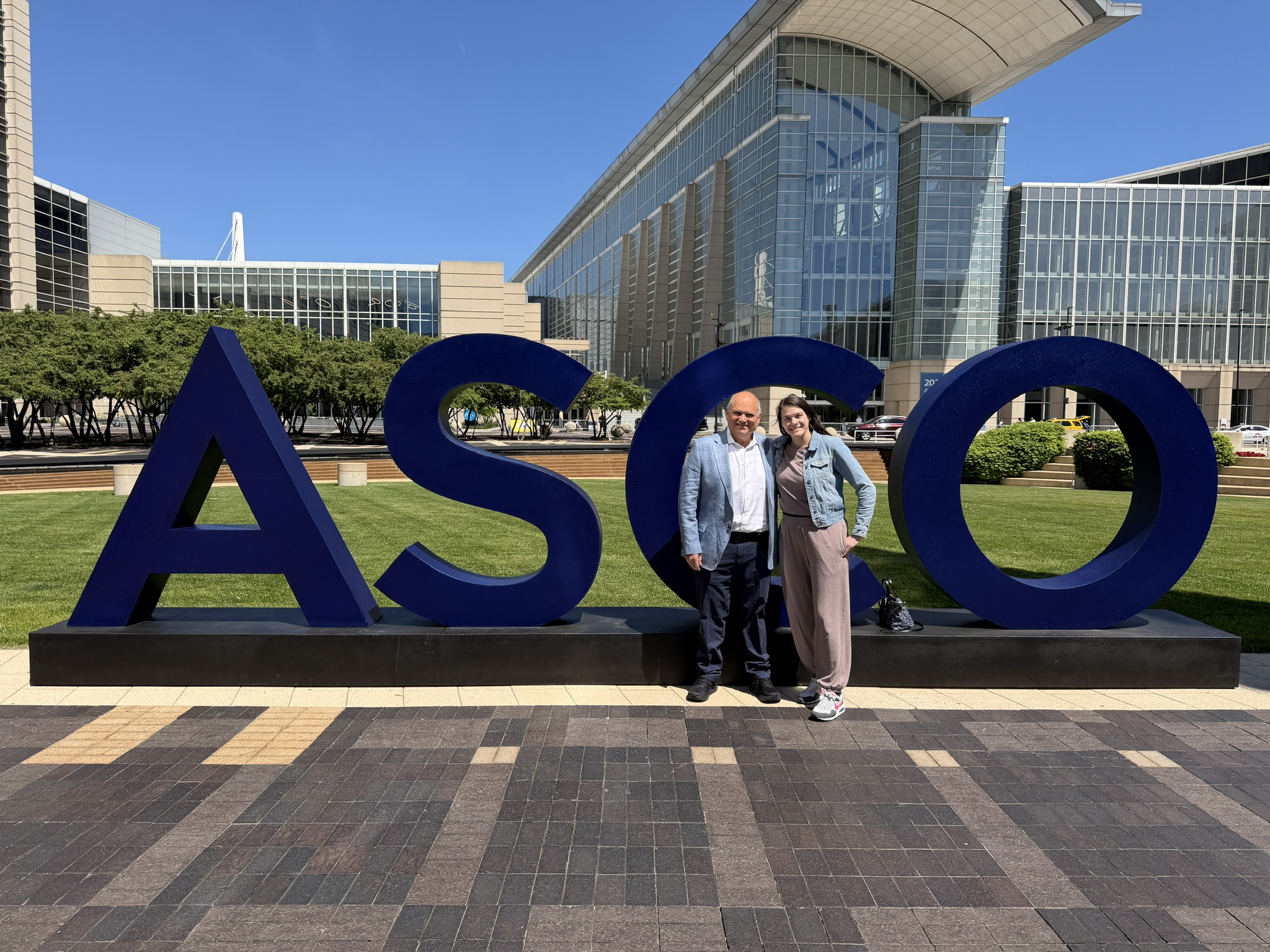
June arrived the way a strong midyear should: with promising scientific advancements, community, and no shortage of meaningful conversations. The ASCO Annual Scientific Meeting brought GCCA to Chicago, where we set up on the exhibit floor to spotlight our Knowing is Worth the Wait initiative, part of the Know Your Biomarker program. The energy around the booth was exactly what you hope for at a meeting like this. Attendees took the quiz, picked up their limited edition GCCA colon socks, and stayed to talk. Many attendees were surprised to learn that 60% of colorectal cancer patients start treatment before their biomarker test results arrive. We connected with long-time members and met new faces who are just as committed to moving the needle on colorectal cancer as we are. We also used the time to sit down with our industry supporters for meaningful midyear conversations, the kind that are harder to have over email and easier when you are in the same room. And we captured some of it on camera with members and new friends for content heading to our socials at @globalcrc, so keep an eye out. Beyond our own work, this year's ASCO had a moment that will be hard to forget: a standing ovation for pancreatic cancer clinical trial data. That does not happen often, and it should not be understated. The science is moving, and GCCA is paying close attention.
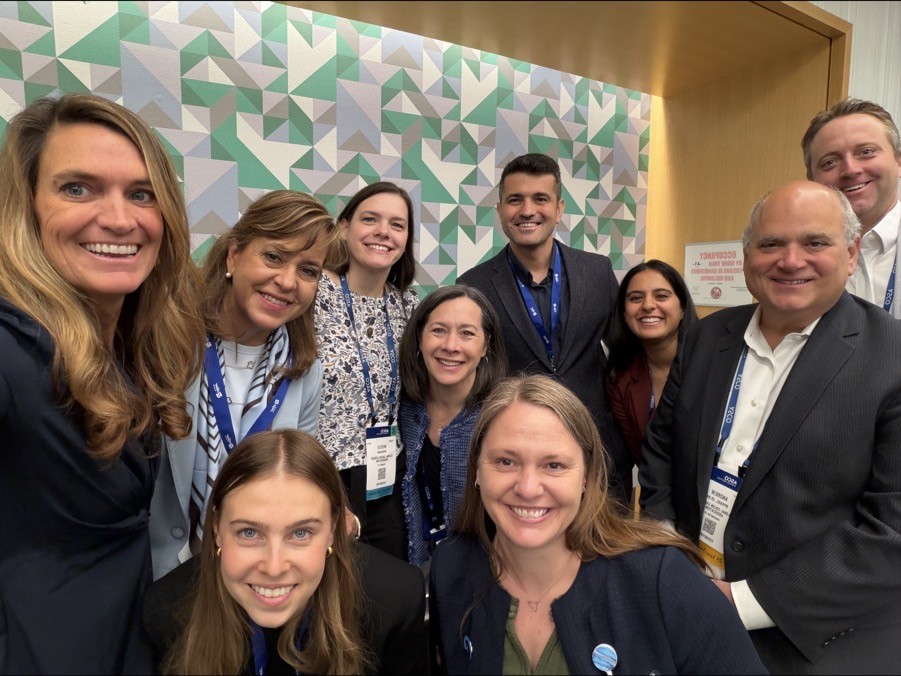
From Chicago I flew directly to Seville, Spain for the Patient Engagement Open Forum, June 2nd through 4th. There is something about arriving at a gathering where the people in the room genuinely care about the same things you do. It was great to see GCCA member organizations FUTEJE, Oncoguia, Taiwan Young Patients Association and World Patients Alliance. New relationships formed quickly, and the conversations picked up as if no time had passed. Seville was a fitting backdrop for three days of serious, hopeful work.
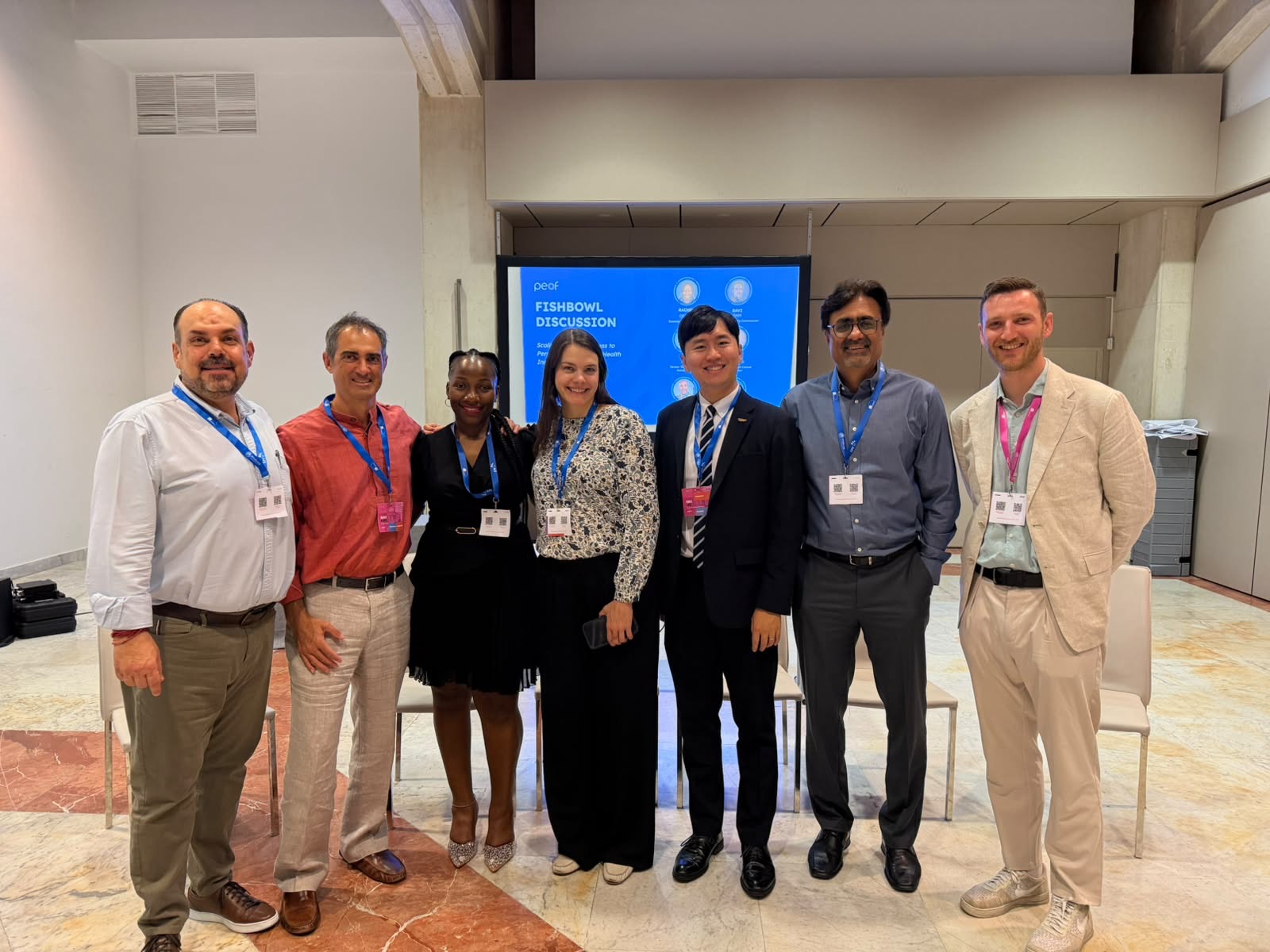
My participation at PEOF came with more than one hat. As President of GCCA, I brought a colorectal cancer and patient advocacy lens to every session. I also serve on the executive committee of the board of directors of From Testing to Targeted Treatments (FT3), a nonprofit whose programs include PFMD (Patient Focused Medicine Development), one of the co-organizers of the Patient Engagement Open Forum, and the Women's Health Catalyst, where I sit on the steering committee. Those roles shaped how I engaged across all three sessions. On Day 1, I co-led "From Fragmentation to Connection: Building a Digitally Connected Infrastructure for Clinical Research Ecosystem Innovation," a hands-on working session focused on how platforms like the Clinical Trial Distribution Network (CTDN) can restructure the flow of clinical trial information to make trials more visible, more accessible, and more representative, with women's health research as a critical lens. On Day 2, I spoke on "Rewriting the DNA of Health Systems: Enabling Patient-Centered Access to Innovation in Low-Resource Settings," which looked at how community-driven advocacy in regions like Latin America, Africa, and Asia-Pacific is advancing access to precision diagnostics and personalized care where it is needed most. I also joined "Building Better Care for All Through Multidisciplinary Teamwork," a session that moved from theory to practice on what it actually takes to improve how care teams collaborate and how patients are included in decisions about their own care. The thread running through all three was simple and stubborn: patient partnership cannot be optional infrastructure. It has to be built in from the start.
We are at the halfway point of 2026, and the pace has not let up. Our CEO, Andrew Spiegel is presenting at the Health Technology Assessment international (HTAi) Annual Meeting in Istanbul, a reminder that this work does not pause and neither do we. The second half of this year holds a lot for GCCA, and we are heading into it with full momentum. More to come!