
Advancing Health Equity in Bhutan: Bhutan Cancer Society Brings Education and Advocacy to Buddhist Monks

In Bhutan, colorectal cancer awareness has historically been limited, particularly among underserved communities with little access to targeted health education.Through support from the Global Colon Cancer Association's Health Equity Grant Program, the Bhutan Cancer Society has worked to change that reality by bringing culturally appropriate colorectal cancer education directly to communities, helping people better understand risk factors, symptoms, prevention, and the importance of early detection.
The Bhutan Cancer Society (BCS) is the only civil society organization in Bhutan dedicated to advancing cancer control and care across the country. Guided by its commitment to "Empower Lives, Defeating Cancer," the organization focuses on three core areas. "Through awareness and advocacy, care and support, and research, we work to contribute to Bhutan's cancer control and care program and improve outcomes for people affected by cancer," said Karma Tobgay, Executive Director of the Bhutan Cancer Society.
Addressing a Critical Knowledge Gap
The inspiration for BCS's Health Equity Grant project came from both the growing burden of colorectal cancer and the organization's observations during community outreach activities.
The organization identified significant knowledge gaps, particularly among vulnerable and underserved populations. Many community members had little or no understanding of colorectal cancer, making it difficult for them to recognize symptoms, reduce risk factors, or seek timely medical care. BCS set out to bridge that gap by ensuring accurate, culturally relevant information reached populations that had historically been overlooked by traditional health education efforts.
Reaching Communities Through Culturally Relevant Education
Their Health Equity Grant project focused on increasing awareness and knowledge of colorectal cancer among Buddhist monks, a population identified as vulnerable due to widespread betel nut use and limited access to targeted health education.
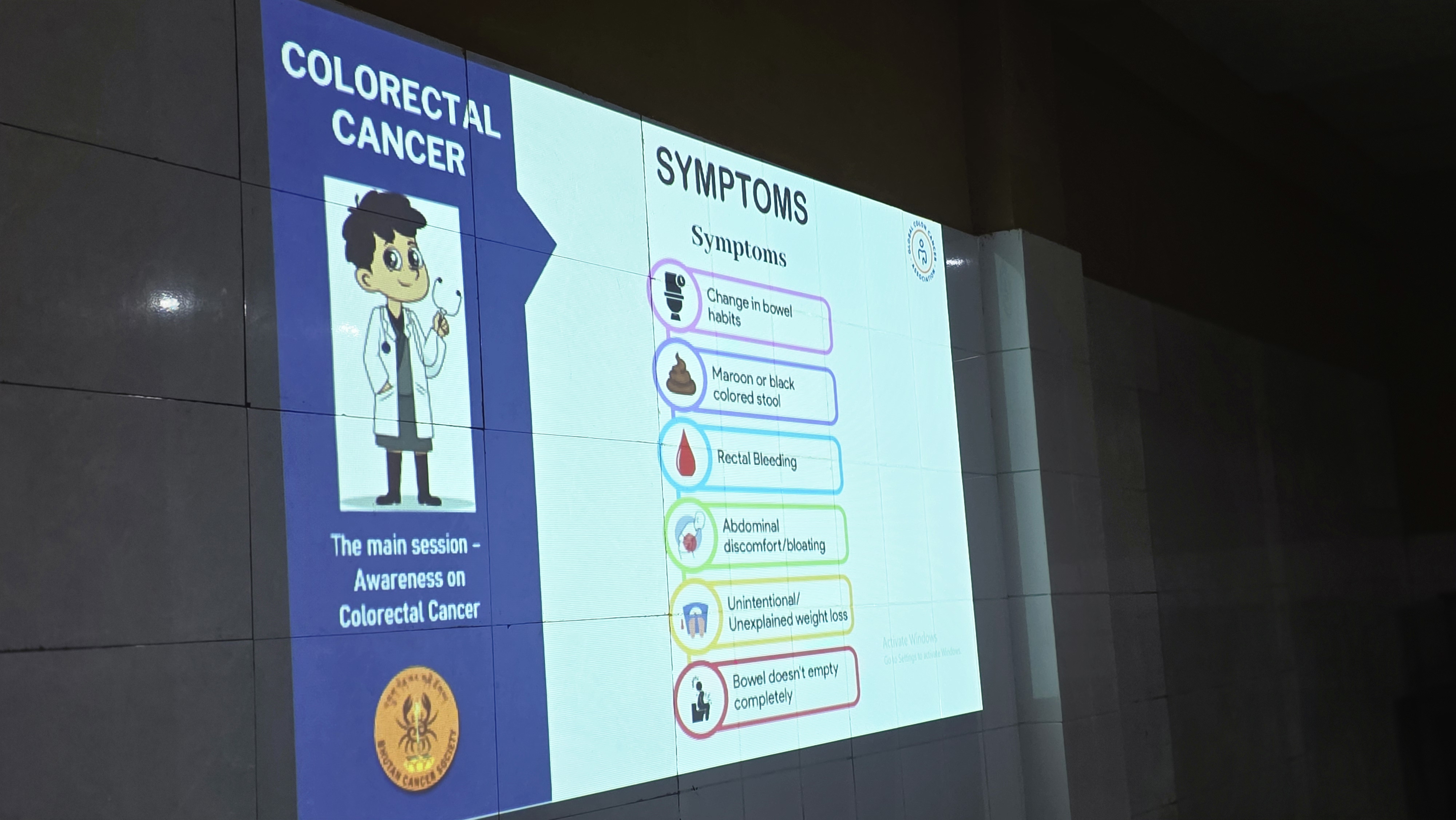
BCS developed culturally appropriate information, education, and communication materials and delivered awareness sessions within monasteries. These educational programs covered colorectal cancer risk factors, signs andsymptoms, prevention strategies, and the importance of early detection. Educational materials were distributed to reinforce key messages and encourage healthier lifestyle choices.
Building on the success of the project, BCS expanded its efforts through a second grant-supported initiative that broadened colorectal cancer awareness activities to reach wider community audiences.
The expanded project included the production of a colorectal cancer awareness explainer video, community outreach activities, stakeholder engagement, public awareness campaigns, educational sessions, and the distribution of culturally appropriate educational resources. The initiative brought together community members, local leaders, healthcare professionals, and civil society partners to improve understanding of colorectal cancer and reduce barriers to seeking medical care.
Together, the two projects reached hundreds of monks, community members, and stakeholders across multiple districts of Bhutan while also generating broader awareness through media engagement, advocacy activities, and community networks.
Transforming Awareness and Influencing Policy
One of the most significant outcomes of the project was the realization of just how large the awareness gap had been. "Many participants openly shared that this was their first introduction to colorectal cancer, its risk factors, signs and symptoms, and the importance of early detection," said Tobgay.
As knowledge increased, participants reported a greater willingness to seek medical attention for gastrointestinal symptoms, adopt healthier lifestyle practices, and share information with family members and their communities.
The project's impact extended beyond individual education. According to Tobgay, the initiative also contributed to broader policy progress within Bhutan's healthcare system. "The project directly contributed to the Ministry of Health's decision to initiate a nationwide screening program for colorectal cancer as part of the country's cancer control programme," he said.
This achievement represents an important step in translating grassroots awareness and advocacy efforts into national action, helping strengthen colorectal cancer prevention and control efforts across the country.
Overcoming Challenges
Like many health equity initiatives, the project faced challenges along the way.
One significant barrier was the absence of national colorectal cancer screening guidelines. Rather than promoting screening without an established framework, BCS shifted its focus toward primary prevention, symptom awareness, and encouraging appropriate health-seeking behaviors.
"The team aligned messages with available global best practices and regional evidence while advocating for the future development of a national colorectal cancer screening framework," said Tobgay.
Lessons for Advancing Health Equity
Reflecting on the experience, Tobgay said that “a key lesson is that lasting impact depends on culturally appropriate engagement, strong stakeholder collaboration, and empowering trusted community leaders as health advocates."
The project demonstrated that health equity initiatives are most effective when they reflect the values, traditions, and realities of the communities they serve. Partnerships with the Ministry of Health, healthcare professionals, and monastic leaders helped ensure both cultural relevance and technical accuracy.
At the same time, empowering monks to become peer educators created a sustainable pathway for continuing awareness efforts long after the project concluded.
Looking Ahead
The Bhutan Cancer Society remains committed to expanding colorectal cancer awareness and prevention efforts throughout the country. BCS plans to sustain and build upon this work through locally funded initiatives and continued community engagement. A major focus will be integrating colorectal cancer education into the organization's annual observance of March as ColorectalCancer Awareness Month, creating ongoing opportunities to reach new audiences and reinforce key prevention messages.
Through community education, stakeholder collaboration, and policy advocacy, the Bhutan Cancer Society is helping build a future where more people have access to the knowledge they need to prevent colorectal cancer, seek care earlier, and improve outcomes. Their work demonstrates how locally led, culturally relevant health equity initiatives can create meaningful change, one community at a time.