
Advancing Health Equity in South Africa: SASS2026 Conference
Treat the Whole Person, Not Just the “Hole” or the Disease
For people living with a stoma, the challenges don't end when they leave the hospital. Access to reliable ostomy supplies, specialist nursing care, skin management, rehabilitation and emotional support can all shape what life looks like after surgery. Yet these needs are not always addressed together.
In South Africa, the scale of the challenge is significant. The South African Society of Stomates (SASS) estimates that approximately 820,000 people live with a stoma in the country, supported by fewer than 100 qualified stoma nurses.
SASS is working to change that. Through advocacy, education and support, the organization is focused on improving access to equitable, quality ostomy care and ensuring that people living with a stoma receive support that recognizes every aspect of their health and well-being.
Its guiding message is simple: Treat the whole person, not just the “hole” or the disease.
Bringing Disciplines Together to Improve Ostomy Care
Ostomy care involves much more than selecting and fitting an appliance. Leakage, poorly fitting supplies and damage to the skin around a stoma can cause pain, distress and additional complications. People may also need support with nutrition, rehabilitation, psychological well-being, relationships, employment and returning to everyday activities.
Recognizing the gap betweenthese complex needs and the support available, SASS wanted to create more opportunities for healthcare professionals to learn from one another and better understand the lived experiences of people with a stoma.
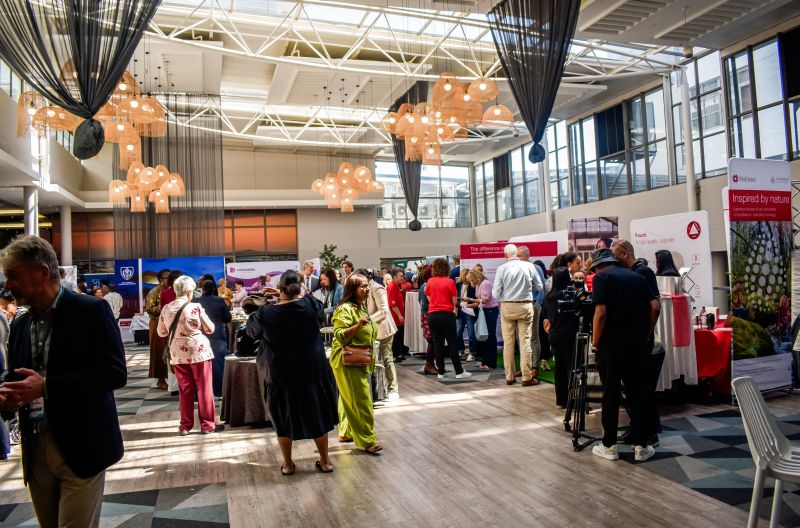
With support from the Global Colorectal Cancer Association (GCCA) CRC Health Equity Grant, SASS brought this vision to life through the SASS2026 Conference, held October 2–3, 2026, in Cape Town.
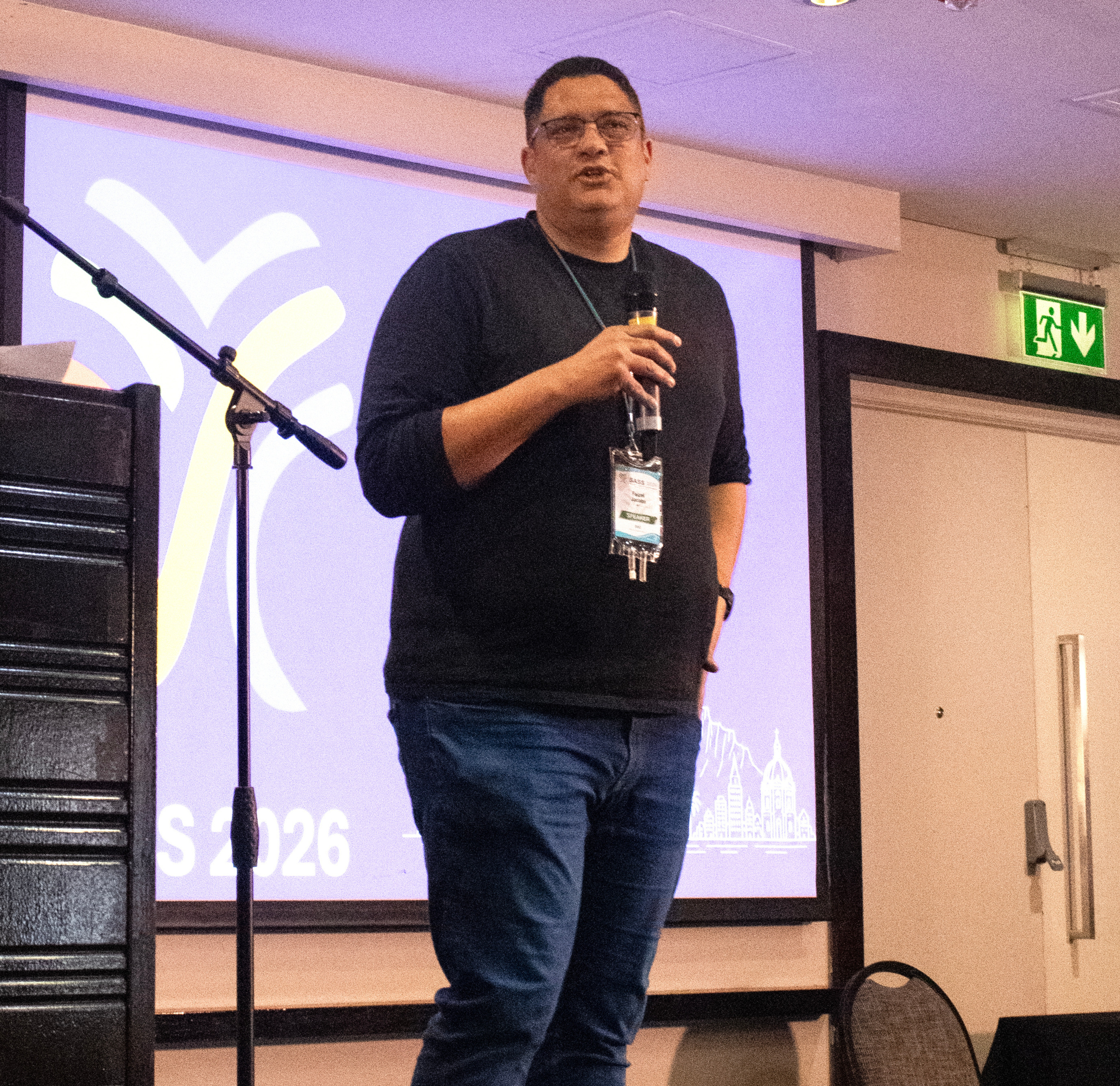
Under the theme “Complex Wounds, Complex Patients: The Ostomy Challenge,” the two-day scientific conference explored the connections between wound care and ostomy care, emphasizing the importance of coordinated, multidisciplinary approaches.
The program covered clinical decision-making, wound management, surgical and medical care, rehabilitation, nutrition, psychosocial support and digital health. By bringing together different perspectives and areas of expertise, the conference encouraged healthcare professionals to look beyond individual clinical challenges and consider the needs of the whole person.

Connecting Healthcare Professionals Across Borders
SASS2026 welcomed delegates from 12 countries: South Africa, Botswana, Togo, Namibia, Kenya, Zambia, Ethiopia, the United States, the United Kingdom, Iceland, Slovakia and Romania.
This international participation created opportunities to exchange knowledge and experiences across different healthcare systems and resource settings. It also reinforced the importance of collaboration in addressing shared challenges in ostomy care.
The conference was also attended by Tumi Ramasodi, GCCA's Regional Director for Southern Africa, whose participation reflected GCCA's ongoing engagement with member organizations and its commitment to supporting efforts to improve colorectal cancer and ostomy care across the region.
“What stood out to me at the SASS2026 Conference was the reminder that ostomy care is about so much more than managing a stoma," said Ramasodi. "Behind every patient is a person navigating changes to their body, confidence and everyday life. We need to look beyond the medical procedure, listen to people living with a stoma, and make sure their experiences help shape the care and support they receive. GCCA is proud to support SASS and its work to advance more equitable, person-centered ostomy care in South Africa.”
A key contributor was Conference Chair and Clinical Lead Sr. Jolanda Janse van Noordwyk, whose work developing the scientific program helped bring together the many disciplines involved in caring for people with complex needs.
The conference also supported continuing professional development, with accreditation through Sefako Makgatho Health Sciences University (SMU), through its Department of Human Nutrition and Dietetics. Delegates who attended both full days were eligible for 10 CPD points: nine Clinical and one Ethical.
Recognizing the Nurses Who Make a Difference
Alongside clinical education and professional collaboration, SASS2026 made space to recognize the people whose care can have a lasting impact on patients and families.
At the conference Gala Dinner, SASS presented three Nurse Appreciation Awards. Nominations came from patients, family members and colleagues, recognizing nurses whose compassion, skill and dedication had made a meaningful difference. The 2026 recipients were Lola Cupido (Livingstone Hospital), Lindiwe Dyamara (Chris Hani Baragwanath Hospital), and Lungile Zavala (Thelle Mogoerane Regional Hospital).
The awards were especially meaningful in a country where the demand for specialist ostomy care far exceeds the available workforce. They offered an opportunity to celebrate nurses who support people through a life-changing experience, often while working under considerable pressure.
Just as importantly, the nominations brought patient and family perspectives into the recognition process, highlighting the difference that compassionate, person-centered care makes in everyday life.
Encouraging Feedback and Opportunities for Continued Learning
Feedback from conference delegates was overwhelmingly positive. SASS received 40 completed evaluation forms, with an average score of 4.66 out of 5 across 19 rating questions. Of the 760 individual ratings recorded, 732 (96.3%) were scores of four or five. All 40 respondents said they would recommend the CPD activity to colleagues.
Delegates highlighted the relevance of the program, the opportunity to learn from experienced speakers, and the value of networking and knowledge sharing. One participant commented on the conference, “Learned a lot. Great networking and knowledge sharing space.”
For SASS, the feedback reinforced the value of creating opportunities for healthcare professionals to learn together rather than working in separate clinical silos.
The conference also demonstrated the value of connecting professionals across countries and recognizing the contributions of nurses whose work is essential to quality ostomy care.
While positive evaluations do not yet demonstrate long-term improvements in clinical outcomes, they provide an encouraging foundation for continued education, partnerships and advocacy.
Building a More Equitable Future for Ostomy Care
For SASS, improving ostomy care means recognizing that a person's needs extend far beyond surgery or the management of a stoma. Access to appropriate supplies and specialist care matters, but so do dignity, confidence, emotional well-being and the ability to participate fully in everyday life.
By bringing healthcare professionals together, encouraging multidisciplinary learning and giving patients and families a voice in recognizing excellent care, SASS2026 helped advance that broader vision.
The work ahead is significant, particularly in a country where the need for specialist support far exceeds available resources. But creating opportunities to share knowledge, strengthen professional connections and put the experiences of people living with a stoma at the center of care is an important step toward greater equity.
Ultimately, treating the whole person means seeing beyond the stoma to the individual, their circumstances and what they need to live well.
Learn more about the CRC Health Equity Grants program.