
Advancing Health Equity in Mexico: FUTEJE is Screening Where It Matters
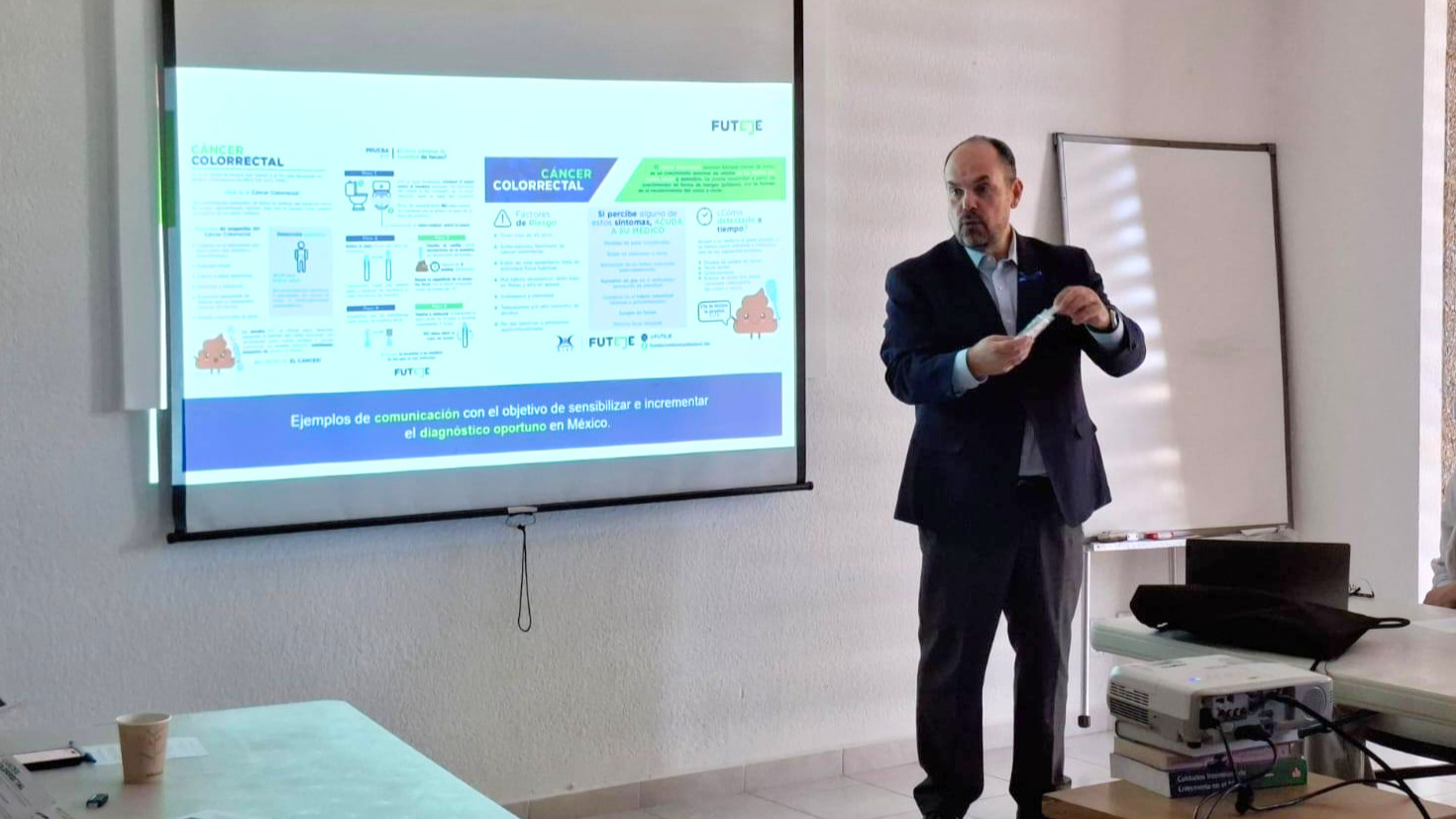
In Mexico, colorectal cancer is often caught too late. For more than three decades, Fundación Fomento de Desarrollo Teresa de Jesús I.A.P.(FUTEJE) has been working to change that, serving patients with limited resources who face the compounding challenges of late diagnosis, financial barriers, and limited access to care.
Thirty Years of Filling a Gap
Founded in 1991, FUTEJE holds a distinctive position in the Mexican health landscape: it is the only NGO in the country dedicated to providing comprehensive support for colorectal and gastric cancer. Their work spans prevention, early detection, treatment, and ongoing patient support, with a particular focus on underserved communities where access to screening and specialist care is limited. Guided by values of generosity, solidarity, and responsibility, FUTEJE operates from a core conviction that prevention and early detection are the most powerful tools available against these diseases.
The Problem They Set Out to Solve
Late diagnosis remains one of the most significant drivers of poor colorectal cancer outcomes. FUTEJE's Health Equity Grant project was designed around a straightforward but critical goal: reduce late-stage diagnoses by expanding access to information and screening among populations that have historically lacked both.
A Pipeline From Prevention to Diagnosis
FUTEJE's Colorectal Cancer Prevention and Early Detection Program, launched in collaboration with the National Cancer Institute (INCAN) in 2017, targets adults aged 45 to 74 with no personal or family history of colorectal cancer and no active symptoms, the population most likely to benefit from proactive screening. The program moves participants through a full continuum: community outreach and educational talks, distribution of fecal immunochemical test (FIT) kits, sample collection and laboratory processing, results delivery, and for those with positive results, referral and scheduling for colonoscopy at INCAN, with ongoing follow-up throughout.
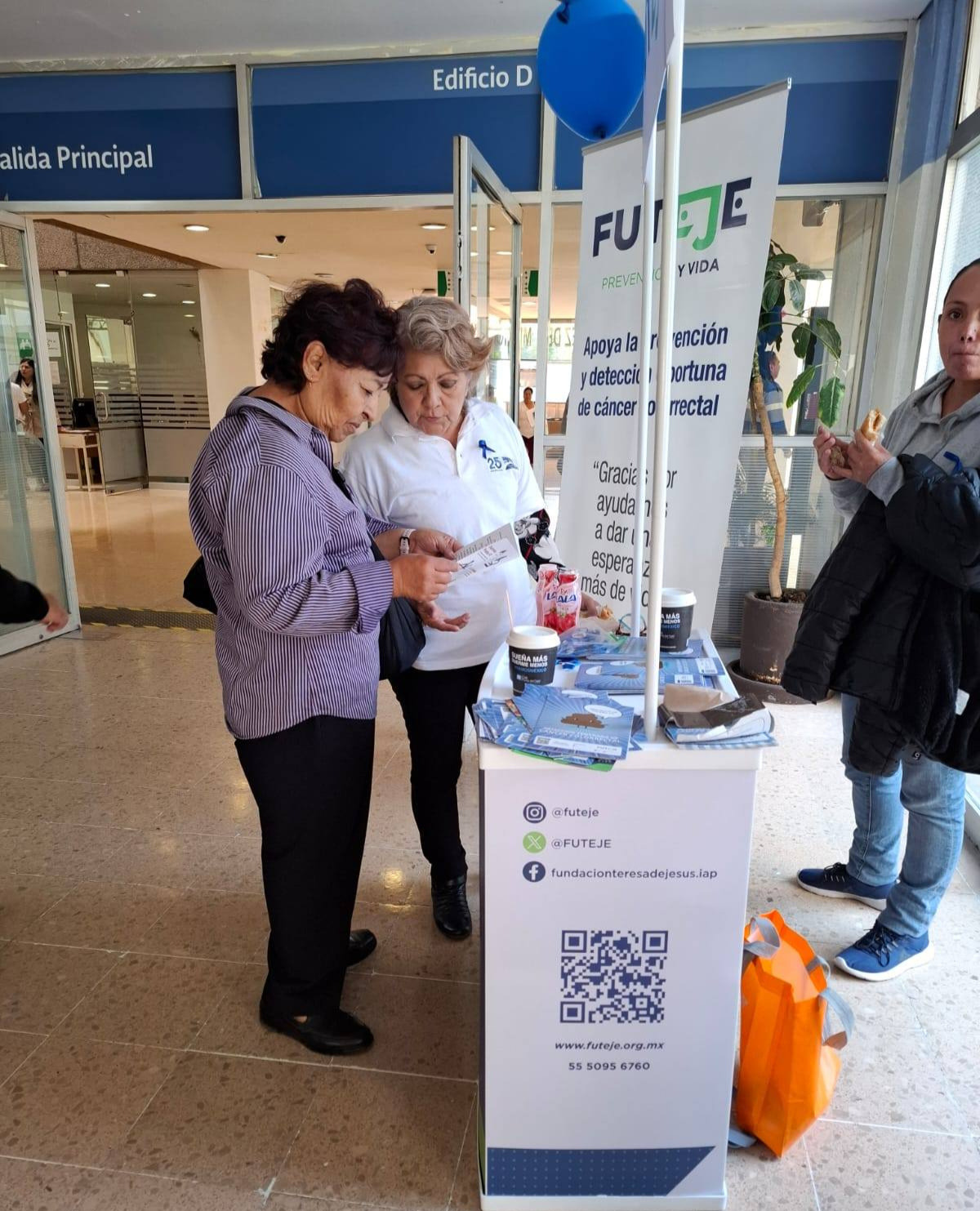
With support from GCCA's 2025 Health Equity Grant, FUTEJE distributed 1,000 informational flyers, purchased 200 FIT test kits, processed 143 test results, and performed 9 colonoscopies for individuals with positive screenings.
The Numbers Behind the Work
From January through November 2025, the broader program conducted 937 FIT tests. Of those, 116 (13%) returned positive results. Among the 46 colonoscopies performed during that period, 16 (35%) identified polyps and 2 (5%) detected cancer, findings that would likely have gone undetected without structured screening.
Those two cancer detections represent exactly what the program exists to do: find disease before symptoms emerge, when treatment is most effective and outcomes are most likely to be favorable.
Forty Percent Is Not Enough
Even with tests available at no cost and colonoscopy referrals in place, only about 40% of individuals with positive FIT results ultimately follow through with the colonoscopy. Fear, misinformation, and persistent myths about the procedure remain significant barriers.
FUTEJE's response has been direct: continued education and peer testimony. Sharing firsthand accounts from people who have undergone colonoscopies, and found the experience manageable, has become a core strategy for reducing hesitancy and building the trust needed to move people through the full screening pathway.
The Two Things That Make It Work
For organizations working in similar contexts, FUTEJE points to two factors above all others. First, the value of a comprehensive program that connects prevention through referral to specialist care, without gaps that allow people to fall out of the pathway. Second, the importance of the right strategic partners. The long-standing collaboration with INCAN gives the program clinical depth and referral infrastructure that would be difficult to replicate independently.
FUTEJE’s General Director, Francisco Freyría, adds, "When determination and enthusiasm come together, anything is possible."
FUTEJE is actively forming partnerships with new public health institutions to expand the program's reach. The goal is straightforward: more people screened, in more communities, with the same integrated continuum of care that has made the existing program effective. In a country where colorectal cancer continues to be diagnosed late, that expansion has direct implications for survival.