
Advancing Health Equity in Lebanon: SAID NGO’s Stoma Care Initiative
Access to colorectal cancer care does not end with diagnosis or treatment. For many patients, especially those in underserved communities, the daily realities of living with the disease present ongoing challenges that are often overlooked. Through its CRC Health Equity Grants Program, the Global Colon Cancer Association (GCCA) is working to close these gaps by supporting targeted, community-driven solutions around the world.
To date, GCCA has awarded more than $150,000 in impact-driven grants to member organizations addressing critical disparities in colorectal cancer care. These grants are designed to meet specific, unmet needs while prioritizing projects that clearly define the communities they serve, the barriers they face, and measurable approaches to improving outcomes.
One such project, led by SAID NGO in Lebanon, highlights both the urgency of these needs and the meaningful impact that focused support can deliver.
Addressing an Overlooked Need
SAID NGO is a patient-led organization committed to reducing the burden of colorectal cancer through awareness, early detection, and patient-centered support. Their mission is rooted in ensuring that all patients, particularly those in underserved communities, have access to screening, essential care, and the resources needed to live with dignity.
Through ongoing outreach, the organization repeatedly heard from patients living with colorectal cancer who were struggling to afford stoma supplies or lacked the training to manage their stoma. While SAID NGO provides free FIT screening year-round and supports follow-up colonoscopies for positive results, these services already place significant strain on their resources.
As Executive Director and Founder Hana Nimer explains, “These repeated requests highlighted a clear gap: many colorectal cancer patients with stomas cannot afford essential supplies or lack the knowledge needed to manage their condition safely.”
Without adequate supplies or education, patients faced preventable complications, discomfort, and social isolation.
A Targeted, Patient-Centered Response
With support from a GCCA CRC Health Equity Grant, SAID NGO launched a project focused on improving access to stoma supplies and patient education.
The organization:
- Provided essential stoma supplies to 8 patients from underserved communities
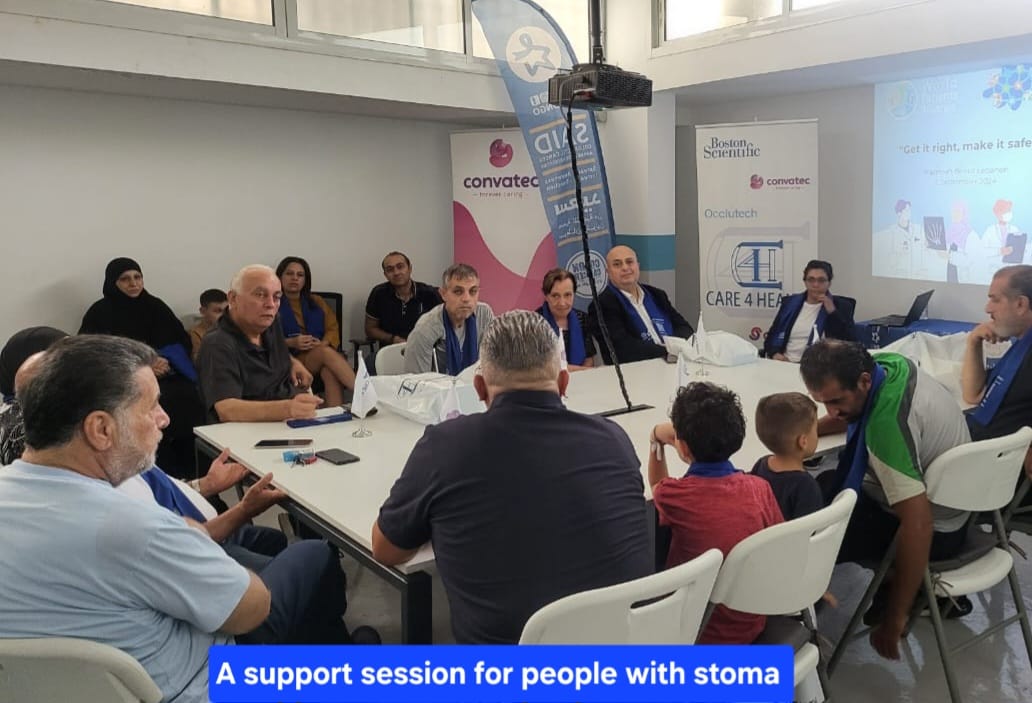
- Delivered education through workshops and one-on-one guidance in partnership with a local provider
- Conducted monthly follow-ups to monitor patient progress and provide ongoing support
Measurable Impact on Quality of Life
Even within a limited time frame, the project delivered meaningful improvements: 7 out of 8 patients reported increased confidence in managing their stoma, 5 out of 8 experienced reduced skin irritation and fewer complications, and 100% of participants expressed satisfaction with the support provided.
Beyond the numbers, the human impact is clear. One patient, who had been reusing stoma supplies due to cost, developed severe skin irritation and became socially isolated. After receiving proper supplies and guidance, their condition improved significantly, allowing them to regain confidence and return to daily life and social interaction.
Lessons in Health Equity
This project underscores a fundamental truth. Health equity often begins with meeting basic needs.
As Hana Nimer reflects, “For patients living with a stoma, access to essential supplies is not optional. It determines their comfort, dignity, and ability to function in daily life.” SAID NGO’s experience also highlights the importance of combining material support with education and follow-up care to create lasting impact. At the same time, the initiative revealed the scale of the challenge. Supporting a small group of patients brought into focus a much broader, systemic gap in access to stoma care. This gap requires sustained attention and long-term solutions.
Looking Ahead
Building on this work, SAID NGO aims to expand the initiative to reach more patients in need. Their focus is on securing sustainable funding and partnerships that can support longer-term care rather than temporary relief. They also plan to advocate for systemic change, with the goal of integrating access to stoma supplies into standard healthcare coverage. While this remains a long-term effort, particularly in the context of ongoing challenges in Lebanon, it represents a critical step toward achieving true health equity.
As Nimer emphasizes, “Sustained access to stoma care is essential to preserving dignity, health, and independence over time.”
Until then, SAID NGO continues to do what it can with the resources available, ensuring that patients are not left without the care, support, and dignity they deserve.