
Advancing Health Equity in Kenya: KOA Is Changing the Face of Colorectal Cancer Care
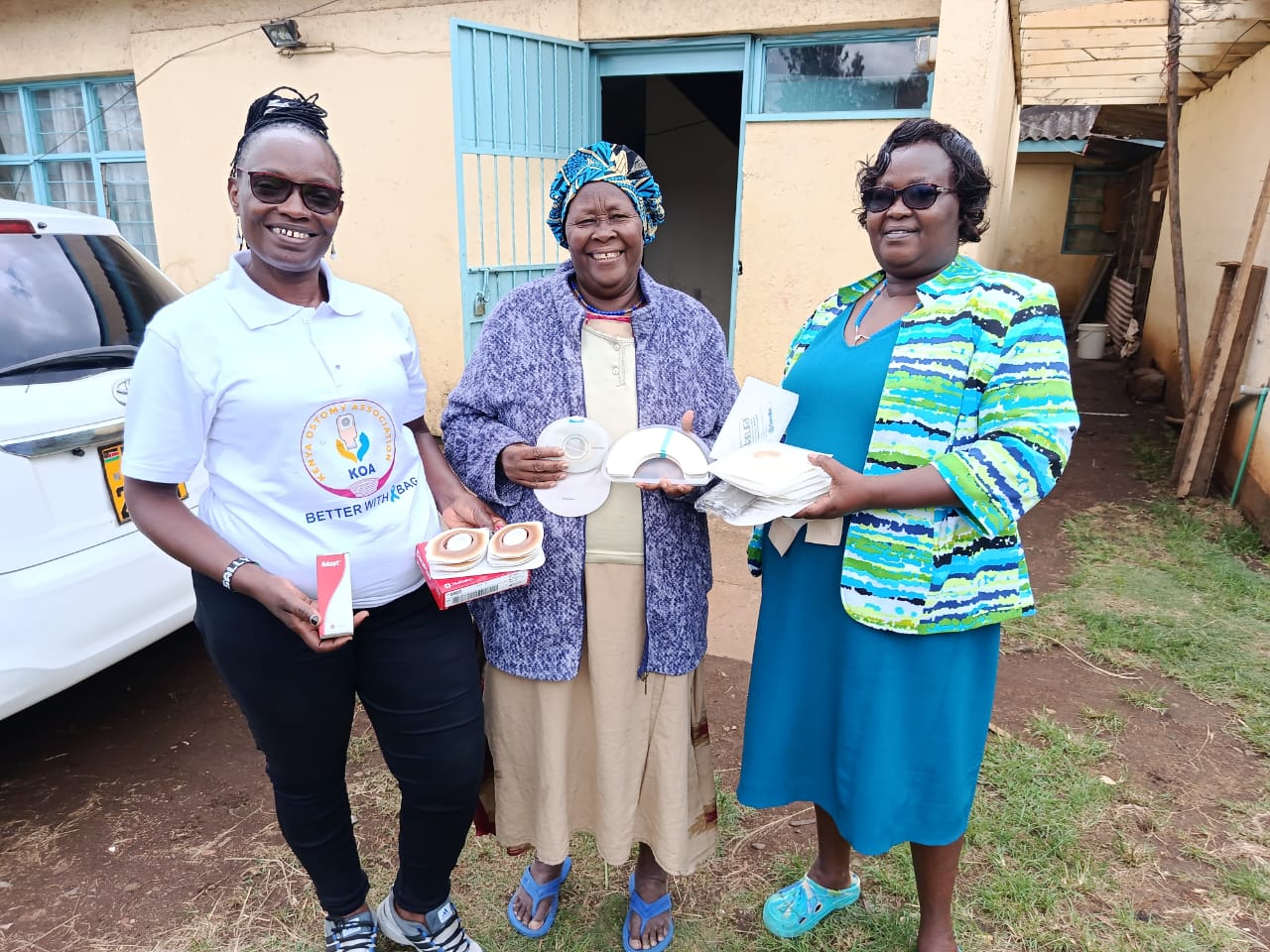
For many people living with colorectal cancer in Kenya, a diagnosis does not arrive alone. It comes with stigma, late-stage disease, limited access to supplies, and the loneliness of navigating a life-altering condition without adequate support. The Kenya Ostomy Association (KOA) was built to change that reality, and with support from GCCA's CRC Health Equity Grant, the organization has taken that mission a step further.
Meeting People Where They Are
KOA is a registered non-profit dedicated to supporting ostomates and their caregivers across Kenya and the wider East African region. Their constituency includes colorectal cancer patients and survivors who face significant barriers, among them limited access to stoma supplies, late diagnosis, financial strain, and stigma tied to both cancer and ostomy use. Caregivers, KOA emphasizes, are central to that picture as well.
Their Health Equity Grant project, "Improving Quality of Life in Colorectal Cancer Through Education and Psychosocial Support" was built around three interconnected gaps: low awareness contributing to late-stage diagnoses, inconsistent access to essential stoma care supplies, and a near-absence of structured psychosocial support for patients and caregivers alike.
A Holistic Model in Action
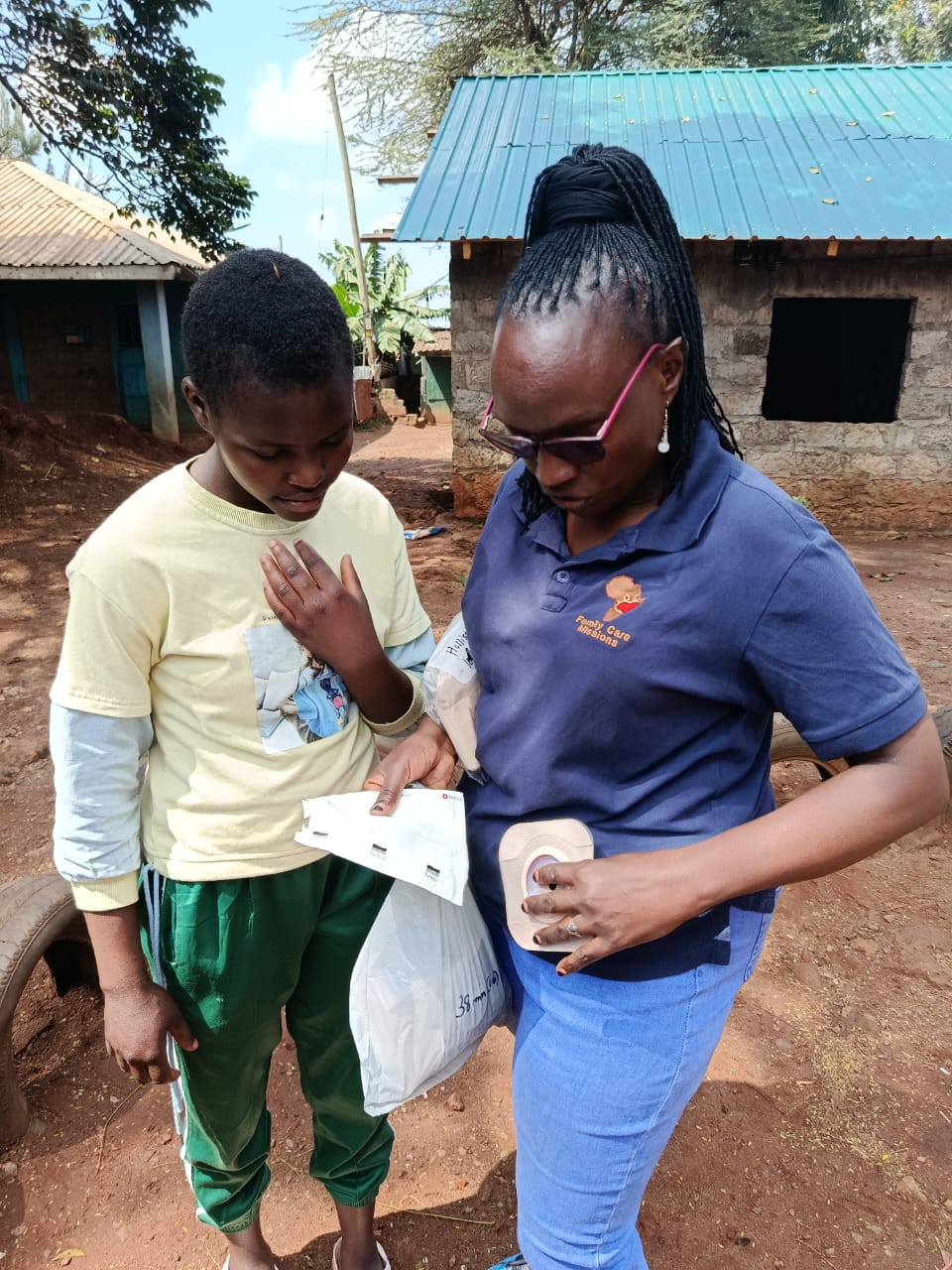
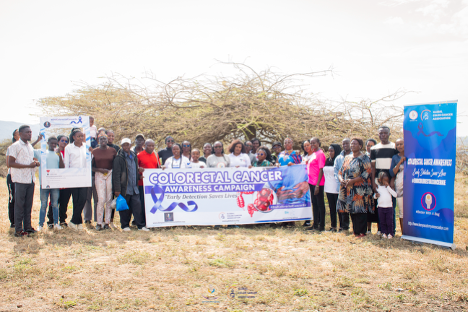
Over the course of the project, KOA reached more than 1,250 colorectal cancer patients and ostomates across eight Kenyan counties. Activities included community awareness sessions, direct distribution of stoma supplies, and psychosocial support forums that brought together patients, caregivers, and healthcare professionals to address emotional wellbeing, nutrition, and post-surgical care.
Those forums were not just informational; they were restorative. Participants reported increased confidence, better self-care practices, and reduced feelings of isolation. By combining service delivery with peer learning, KOA created spaces where healing and education could happen at the same time.
Survivors as Advocates
One of the most striking dimensions of the project was its investment in survivor voice. KOA trained 45 survivors and ostomates in digital advocacy, equipping them to share their lived experiences publicly. The result was the launch of the #EndColorectalCancerKe campaign, which has since reached more than 50,000 people.
The campaign did more than raise awareness. It moved survivor stories into policy spaces. KOA developed and submitted policy briefs and petitions to national stakeholders, advocating for improved screening, financing, and access to care. As KOA founder Salome Agallo Kwenda described it, “the goal was to shift dialogue from abstract data to human-centered solutions." She also noted, "One of the most powerful outcomes has been seeing survivors transition from beneficiaries to advocates, actively shaping the narrative and driving change within their communities.”
Lessons for the Field
Reflecting on what the project taught them, the KOA team offered insights that extend well beyond Kenya. Health equity efforts, they found, are most effective when community-driven. Integrated programming, combining awareness, direct care, psychosocial support, and policy advocacy produces more durable results than addressing those elements in isolation. And caregivers, so often sidelined in program design, must be intentionally included.
Perhaps most pointedly, KOA founder Kwenda emphasized the power of storytelling as a driver of change: "When data is paired with lived experience, it becomes much harder to ignore."
What Comes Next
KOA is now focused on translating the project's momentum into systems-level change. Plans include deeper partnerships with county health departments to integrate colorectal cancer screening into primary care, expanded psychosocial support with a deliberate focus on caregivers, and continued policy follow-through on the briefs already submitted, with the aim of influencing budget allocations, insurance coverage, and commodities access.
The #EndColorectalCancerKe campaign will continue to grow as a national platform for survivor-led advocacy.
Ultimately, KOA's vision is one in which access to colorectal cancer care and support is not contingent on external interventions but embedded within Kenya's health system as a matter of course. With this grant, they have moved meaningfully closer to that goal.