
Strengthening CRC Research Collaboration in Africa
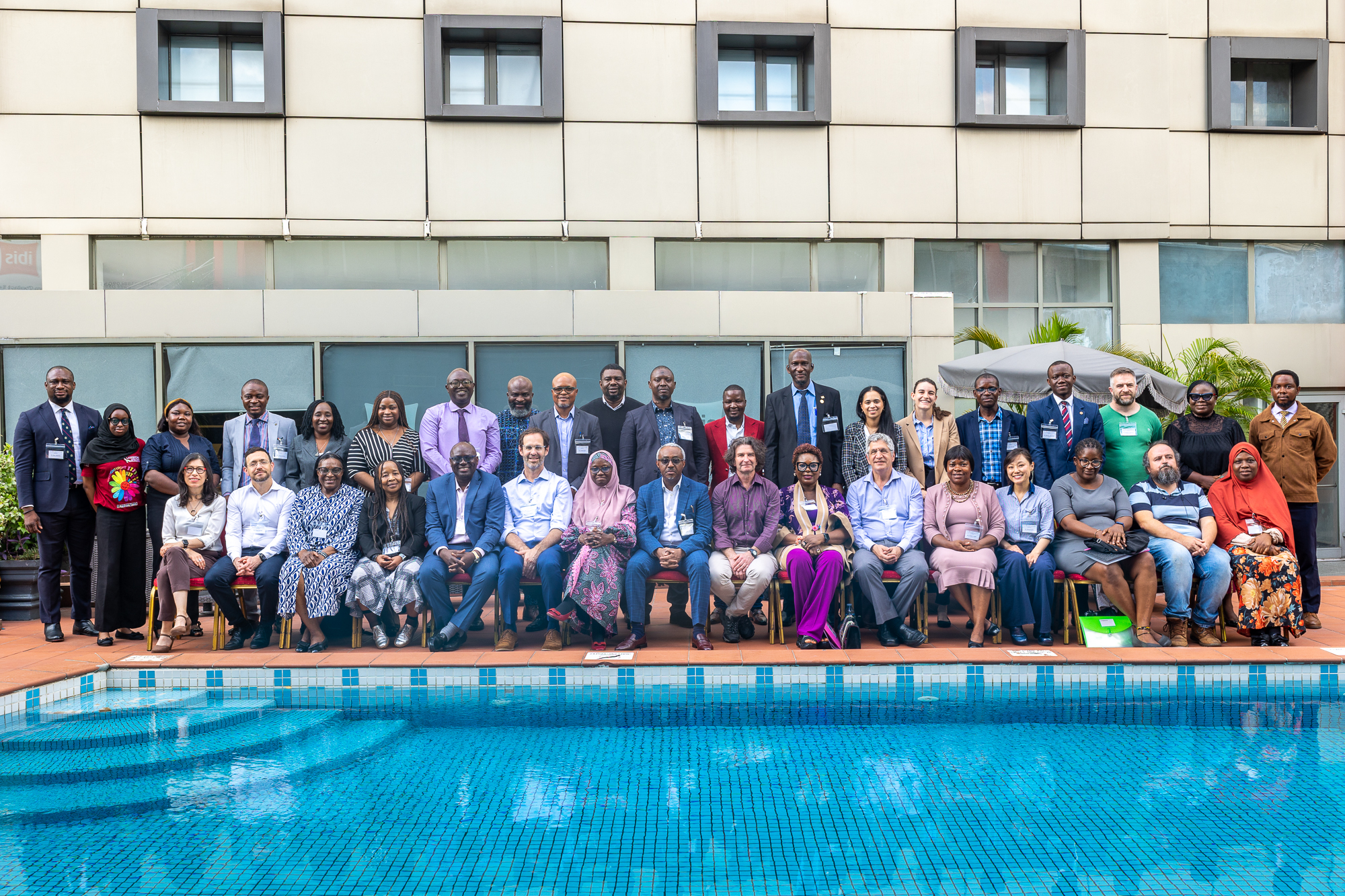
This Cancer Survivors month, I am reflecting on how far I have come. Last month, I had the privilege of participating in a collaborative colorectal cancer research workshop in Lagos, Nigeria, hosted by the African Research Group for Oncology (ARGO) and Memorial Sloan Kettering Cancer Center (MSKCC) along with researchers from the University of Bristol and leading colorectal cancer experts from Nigeria and the United States.
The workshop was organized by Prof Olusegun Isaac Alatise from Obafemi Awolowo University and Dr Peter Kingham from MSKCC. The primary goal was to bring together researchers, clinicians, and patient representatives to develop joint grant applications focused on colorectal cancer prevention and early detection inSouth Africa and Nigeria.
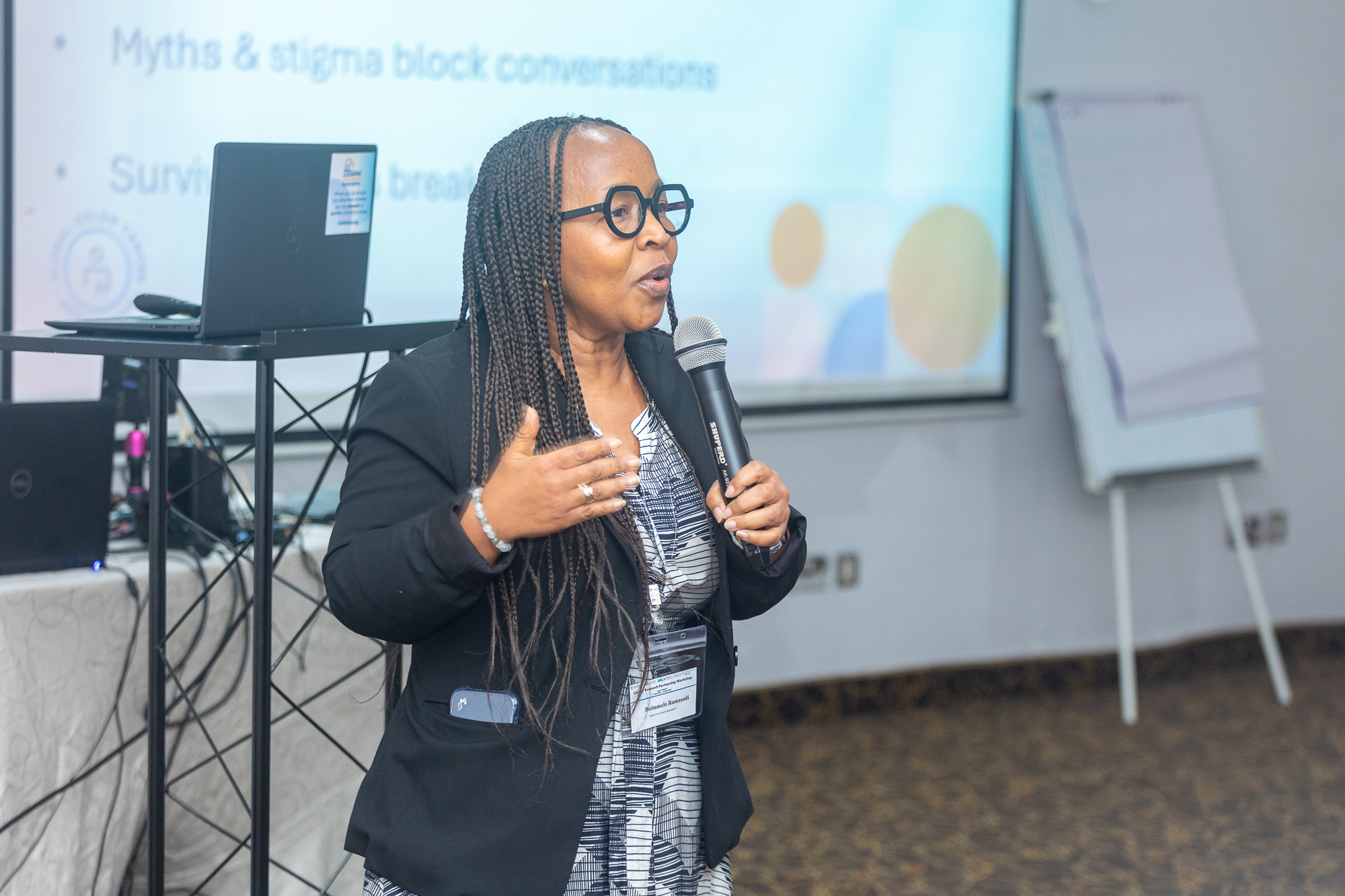
Colorectal cancer continues to place a growing burden on health systems across Africa. As the patient representative and patient voice in the room, I was honoured to contribute lived experience perspectives to discussions that were largely focused on research priorities and future interventions. Ensuring that patient experiences inform research design is critical if we are to develop solutions that are practical, accessible, and responsive to the real challenges people face.
One of the most valuable aspects of the workshop was the opportunity to learn about the similarities and differences in the patient journey between South Africa and Nigeria. While both countries face challenges related to awareness, access to screening, timely diagnosis, and treatment, the discussions revealed unique barriers within each healthcare system.
The workshop reinforced the need for stronger investments in prevention and early detection. Too many people continue to be diagnosed at advanced stages of colorectal cancer, reducing treatment options and negatively affecting survival outcomes.
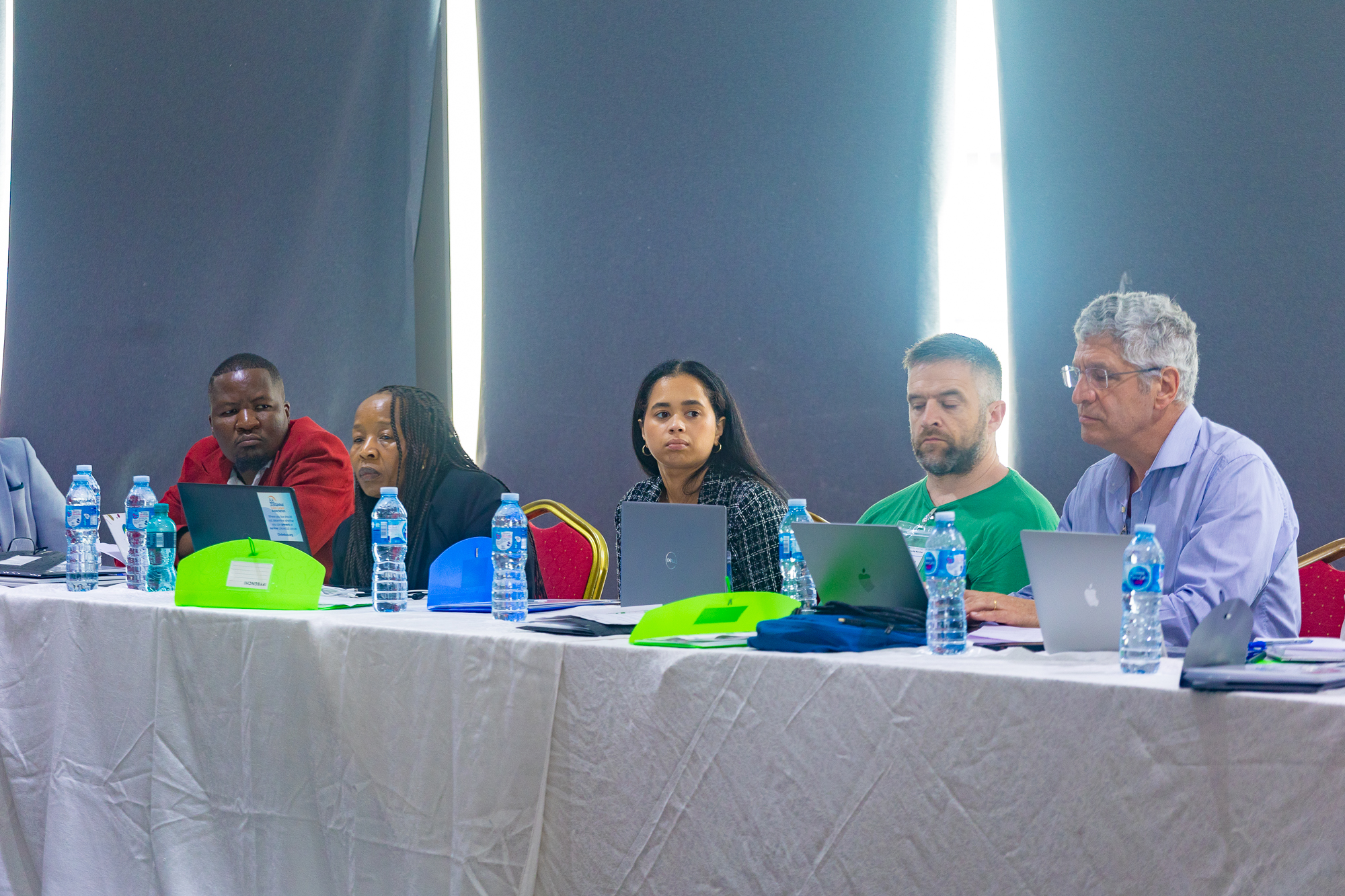
Beyond the formal discussions, the workshop created an environment for relationship-building and knowledge exchange. By working together across borders, researchers and patient advocates can help generate evidence that informs policies, improves access to care, and ultimately saves lives.
We got to visit MedServe LUTH, the largest cancer centre of its kind in West Africa. The hard work and commitment of the team are remarkable!
I left Lagos inspired by the commitment of everyone involved and optimistic about the future of colorectal cancer in Africa. Together, we can build stronger evidence, stronger partnerships, and stronger pathways to prevention and early detection for colorectal cancer across the continent.