
Advancing Health Equity in Tanzania: Onco Intelligence's Tumbo Fresh Campaign
In Tanzania, up to 90% of colorectal cancer patients are diagnosed with advanced disease. The reasons are not mysterious. According to Dickson Daniel, Team Lead at Onco Intelligence, people are dying "not because treatment was unavailable but because they did not know they were sick until it was too late."
In 2025, Onco Intelligence, a Tanzanian cancer organization founded and operated by young adults committed to transforming cancer management, received a grant to take that challenge head-on through a campaign called Tumbo Fresh.
A Problem With Two Faces
Colorectal cancer in Tanzania carries a double burden. On one side are the communities where the disease goes unrecognized: nearly 70% of patients delay seeking care because they do not recognize warning signs or because they believe treatment is unaffordable. Cancer stigma often keeps conversations from happening at all. On the other side are patients already living with the disease, many of them post-surgical, quietly rationing colostomy bags they cannot afford to replace. For these patients, the indignity compounds the illness.
Onco Intelligence designed the Tumbo Fresh Campaign to address both problems at once: bring colorectal cancer education into communities, create a clear pathway from awareness to screening to specialist care, and reach patients already living with the condition with the supplies and support they urgently needed.
Implementation
The Tumbo Fresh Campaign ran across three wards in Dar es Salaam: Kinyerezi, Gongo la Mboto and Majohe. Its model combined community education, free health services, youth volunteer deployment, and direct patient support.
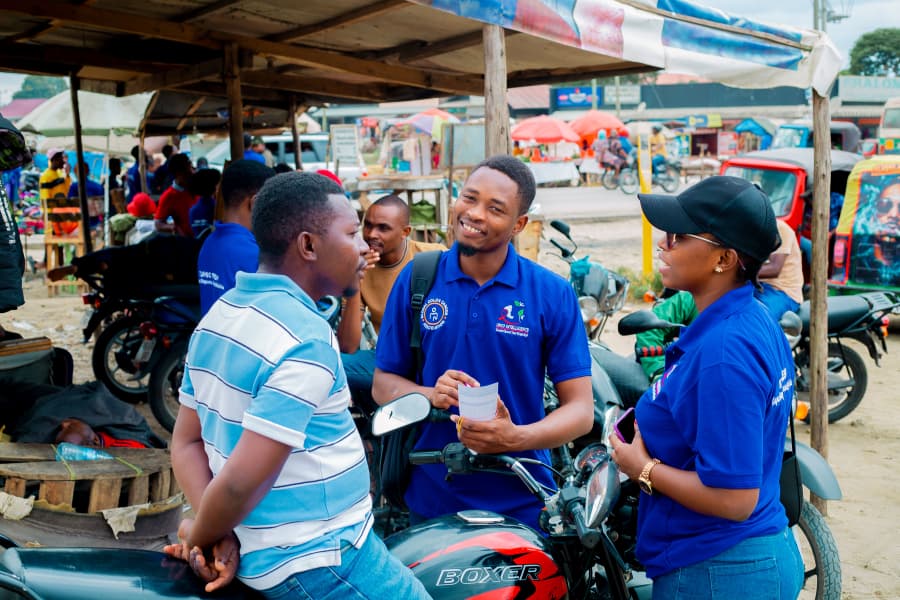
First, in the markets, health centers, and households of Ilala district, the team distributed 3,000 brochures and ran daily digital campaigns across Facebook, Instagram, and WhatsApp, generating more than 500,000 impressions. Local radio station TBC Taifa FM carried health messages to hundreds of thousands of additional listeners. Colorectal cancer, previously unspoken about in these communities, became a topic of conversation.
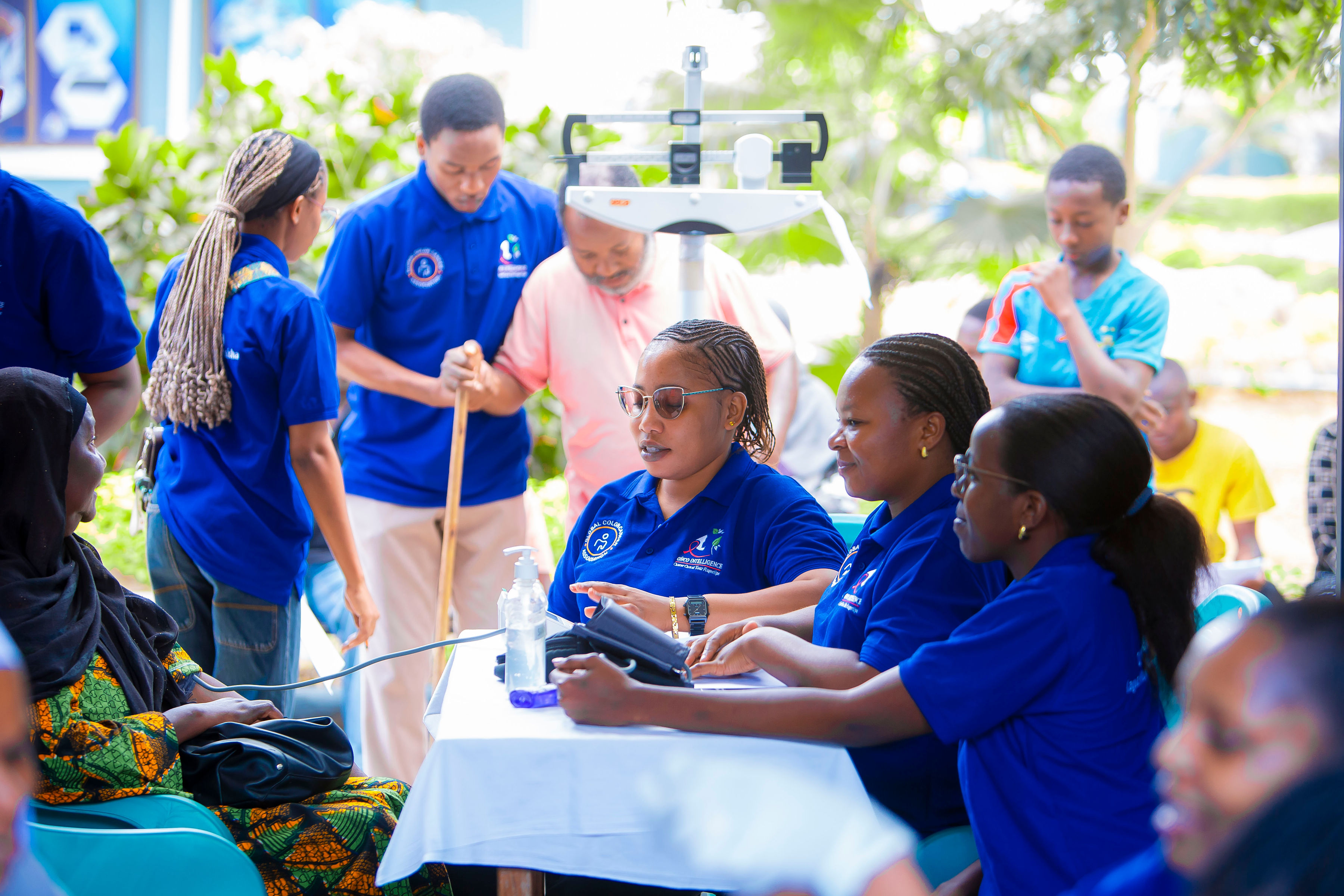
Second, the campaign held a free medical camp at Cardinal Rugambwa Hospital. Rather than mass colorectal cancer screening, which national health policy requires take place within health facility settings, the team integrated risk identification with routine non-communicable disease (NCD) services including blood pressure checks, diabetes testing, and BMI assessments. The pivot was both policy-compliant and strategically smart: as Dickson Daniel noted, "people came for their general health and stayed for the cancer conversation." Of 141 individuals screened, four were identified as high risk and referred for specialist evaluation. All four accessed care, with transport and consultation costs fully covered.
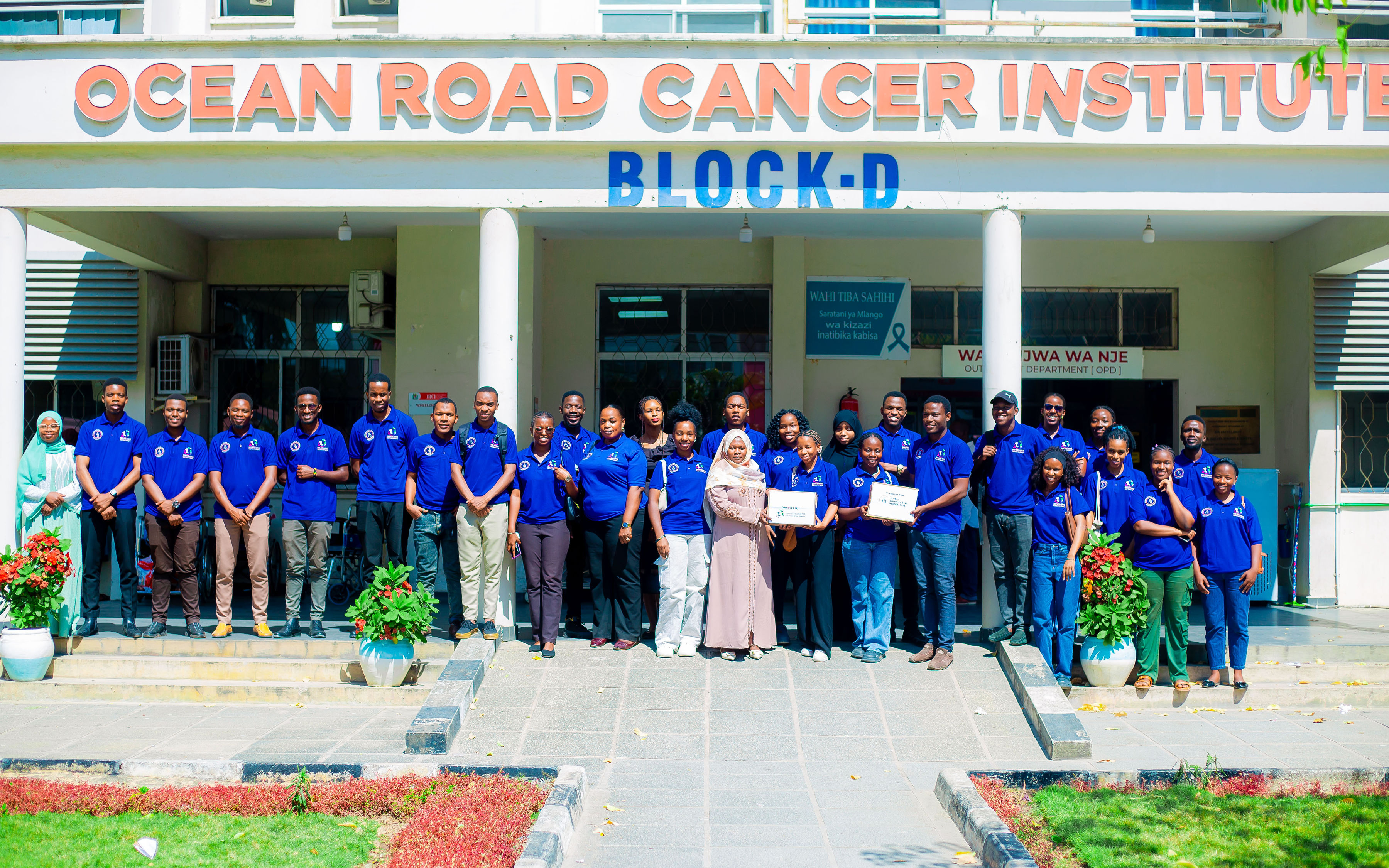
Third, at Ocean Road Cancer Institute, the team distributed 110 colostomy care packages alongside counseling and stoma management education, far exceeding their initial target of 10 patients. The institute's Department of Social Welfare formally endorsed the initiative, describing direct patient support as critical.
The Power of Youth Volunteers
The campaign's fourth pillar was its youth volunteers. Forty young people were trained and deployed across all community activities. After training, their cancer knowledge more than doubled and their confidence increased by 119%. The volunteers proved capable of penetrating spaces and conversations that more experienced health workers sometimes cannot: public markets, households, and private exchanges with men who might not otherwise engage.
As Team Lead Daniel put it, "investing in young people as community health advocates is one of the highest return investments an organization can make."
One Story That Says It All
Among the 141 people screened at the medical camp was a mother with a history of polyps. She had read the campaign's awareness brochure, recognized something in it and came to get checked. She was identified as high risk, referred, and ultimately confirmed to have non-cancerous disease. It was care she would not have sought on her own.
That moment, Dickson Daniel says, "captures everything this campaign was designed to create: a community that acts early, gets checked, and finds out in time."
What Comes Next
The Tumbo Fresh Campaign was conceived as a proof of concept, not a finale. Onco Intelligence is now working to develop an accredited colorectal cancer training program for primary healthcare workers in partnership with Ocean Road Cancer Institute and the Ministry of Health, establish an emergency patient support fund for high-risk referrals and implement an SMS-based referral tracking system to follow patients after they leave the camp. Conversations are underway about a revolving colostomy supply system at Ocean Road so patients never again face shortages due to cost.
The 40 trained youth volunteers continue to operate as community health advocates. The partnerships with Cardinal Rugambwa Hospital and Ocean Road Cancer Institute remain active. The communities in Ilala district know what colorectal cancer looks like, and they know where to go. The foundation is built. Onco Intelligence is now working to scale what works and reach the Tanzanians still waiting for someone to show up with the information and support that could save their lives.