
Advancing Colorectal Cancer Prevention and Precision Medicine in Mexico
Global Colon Cancer Association, FUTEJE, and From Testing to Targeted Treatment Launch New Collaboration During Colorectal Cancer Awareness Month
Colorectal cancer has become one of the most urgent cancer challenges in Mexico. Although it is only the third most commonly diagnosed cancer in the country, it is now the leading cause of cancer death. Clinicians are seeing colorectal cancer diagnosed in younger adults with increasing frequency, reflecting a global trend of rising early-onset colorectal cancer.
At the same time, scientific advances have dramatically transformed how colorectal cancer can be treated. Over the past two decades, more than twenty therapies have been developed that target specific molecular features of colorectal tumors. These therapies depend on biomarker testing to determine which treatments are most likely to benefit a patient. Yet in Mexico, only about a dozen of these therapies are widely available, and access often depends on whether patients are publicly or privately insured and where they receive care. Without broader access to biomarker testing and targeted treatments, many patients cannot benefit from the innovations that are already changing outcomes in other parts of the world.
Closing this gap requires collaboration across patient advocates, clinicians, policymakers, and industry partners. That spirit of collaboration was at the center of a week of meetings in Mexico City held during Colorectal Cancer Awareness Month.
For the third consecutive year, the Global Colon Cancer Association (GCCA) traveled to Mexico to work alongside local partners to advance colorectal cancer prevention, early detection, and equitable access to care. This year’s activities marked an important milestone through a strengthened collaboration with Fundación Fomento de Desarrollo Teresa de Jesús (FUTEJE) and From Testing to Targeted Treatments (FT3), bringing together global expertise and local leadership to accelerate progress toward precision medicine for patients in Mexico.
The partnership reflects GCCA’s commitment to supporting patient advocacy organizations around the world through its Patient Advocacy Mentorship Program. FUTEJE has participated in the mentorship program for several years, and the collaboration in Mexico demonstrates how sustained partnerships can translate into national-level impact. The week also marked the first time that FT3 partnered in person in Mexico on this initiative, expanding a global effort to improve patient access to the right treatment at the right time.
Throughout the week, GCCA, FUTEJE, and FT3 convened patient organizations, clinicians, policymakers, researchers, health economics experts, and industry partners across Mexico City. The discussions focused on strengthening colorectal cancer prevention, expanding screening programs, and identifying opportunities to improve access to biomarker testing and precision medicine. Together, these conversations reflected the growing momentum behind improving colorectal cancer outcomes in Mexico.
The week began with a colorectal cancer symposium at the Facultad de Estudios Superiores Iztacala (UNAM), where GCCA, FUTEJE, and FT3 joined clinicians and academic leaders to speak with medical students about the evolving landscape of colorectal cancer. Presentations explored global trends in colorectal cancer incidence, advances in treatment, and the growing importance of biomarker testing in guiding therapy. Participants also discussed how rising incidence rates mean that today’s medical students will treat significantly more colorectal cancer patients than previous generations. The visit also included a tour of research laboratories where genomic testing and diagnostic technologies are helping shape the future of cancer care.
Another discussion during the week brought together patient organizations, clinicians, policy and health economics experts, and civil society partners to explore the current state of precision medicine and patient access in Mexico. Participants, including Oscar Flores, Managing Partner of Cabildum Consulting, examined the barriers that prevent many patients from benefiting from biomarker-driven care. One major challenge discussed was the difference between Mexico’s public and private healthcare systems. While privately insured patients may have access to biomarker testing and newer therapies, patients in the public system often face significant barriers. Participants also highlighted the impact of financial constraints, fragmented healthcare structures, and the absence of consistent national protocols for biomarker testing. At the same time, the conversation identified opportunities for progress, including strengthening regulatory frameworks, developing national policies that support precision medicine, and building the evidence base needed to demonstrate the value of biomarker-driven care.

“Around the world we are seeing a transformation in cancer care driven by biomarker testing and targeted therapies,” said Nicole Sheahan, President of the Global Colon Cancer Association. “But innovation only saves lives if patients can access it. Our goal is to work alongside partners in Mexico to ensure that where a patient lives does not determine their chance of surviving colorectal cancer.”
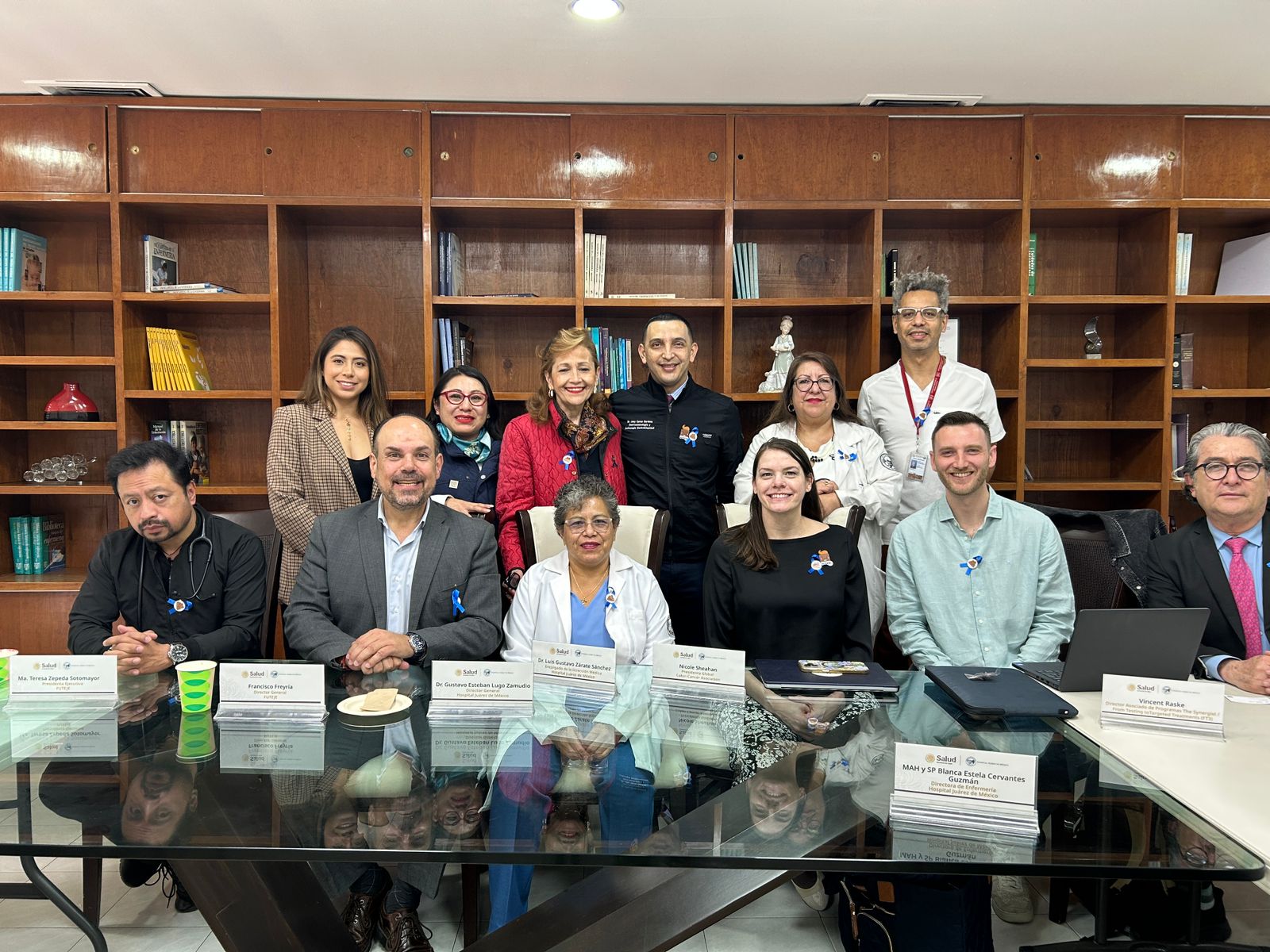
The delegation also visited Hospital Juárez de México, where clinicians and hospital leaders discussed colorectal cancer screening initiatives developed in partnership with FUTEJE. The meeting included a review of the hospital’s FIT screening program, which uses a fecal immunochemical test to identify individuals at risk for colorectal cancer through a simple, non-invasive screening method. Participants explored how these programs can be expanded and how healthcare providers can identify at-risk individuals earlier. Strengthening screening programs remains one of the most effective strategies for reducing colorectal cancer mortality, particularly when patients are diagnosed before symptoms appear.
The delegation also met with clinicians and researchers, Dra. Erika Ruiz and Dra. Maria del Consuelo Diaz Romero, at the Instituto Nacional de Cancerología (INCan), Mexico’s national reference center for cancer care and research. Discussions focused on the role of biomarker testing and precision medicine in improving colorectal cancer outcomes, as well as the challenges faced by patients navigating the public health system when accessing advanced diagnostics and targeted treatments. Agreeing on the potential of scaling patient access to innovation, patient access to the right treatment at the right time needs to become a catalyst for more equitable care and fair access – especially for underserved communities. Participants exchanged perspectives on how collaboration between patient advocates, clinicians, and policymakers can help accelerate the adoption of biomarker-guided care and strengthen national efforts to improve cancer outcomes.

Another meeting brought the delegation to CONCAMIN, the Confederation of Industrial Chambers of Mexico, where discussions focused on the role employers can play in promoting cancer prevention and early detection. Business leaders and health experts discussed how workplace awareness campaigns and screening programs can improve early detection while also supporting workforce health and productivity. Participants emphasized that investing in prevention and early detection benefits not only individuals and families, but also the long-term economic strength of the country.

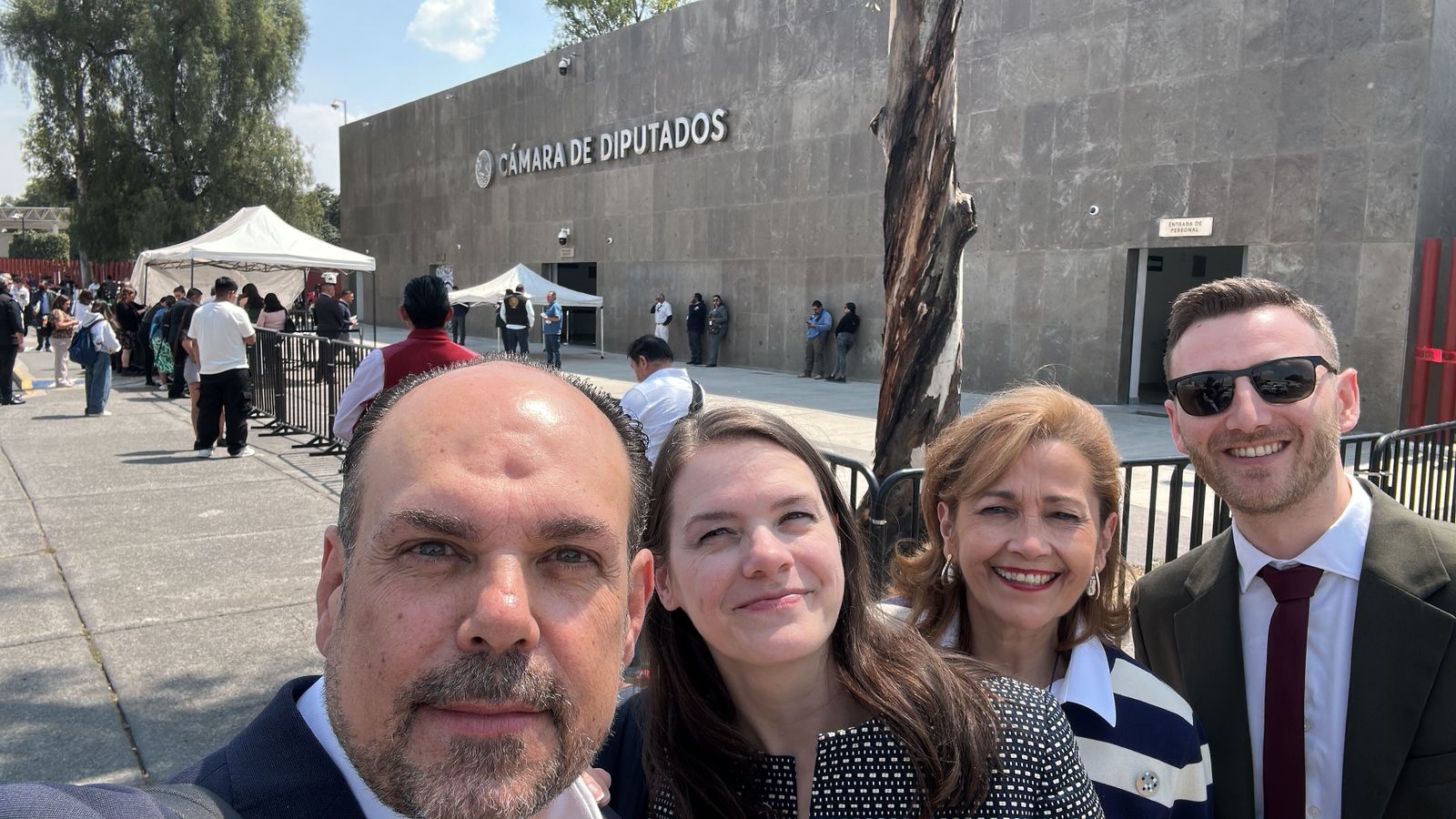
Policy engagement was also a key part of the week’s activities. GCCA, FUTEJE, and FT3 went to Congreso de la Unión to discuss opportunities to strengthen access to precision medicine in Mexico. The delegation met with Mtro. Rubén Islas, Technical Secretary of the Health Committee, representing Representative Pedro Zenteno, Chair of the Health Committee of the Chamber of Deputies. The discussion focused on how biomarker testing and precision medicine can improve colorectal cancer outcomes and what policy actions may be needed to support broader access. As a result of the meeting, participants agreed to host a discussion forum in May to further explore pathways for expanding access to precision medicine. The forum will bring together policymakers, clinicians, patient advocates, and other stakeholders to discuss how biomarker testing and targeted therapies can be more effectively integrated into Mexico’s healthcare system.
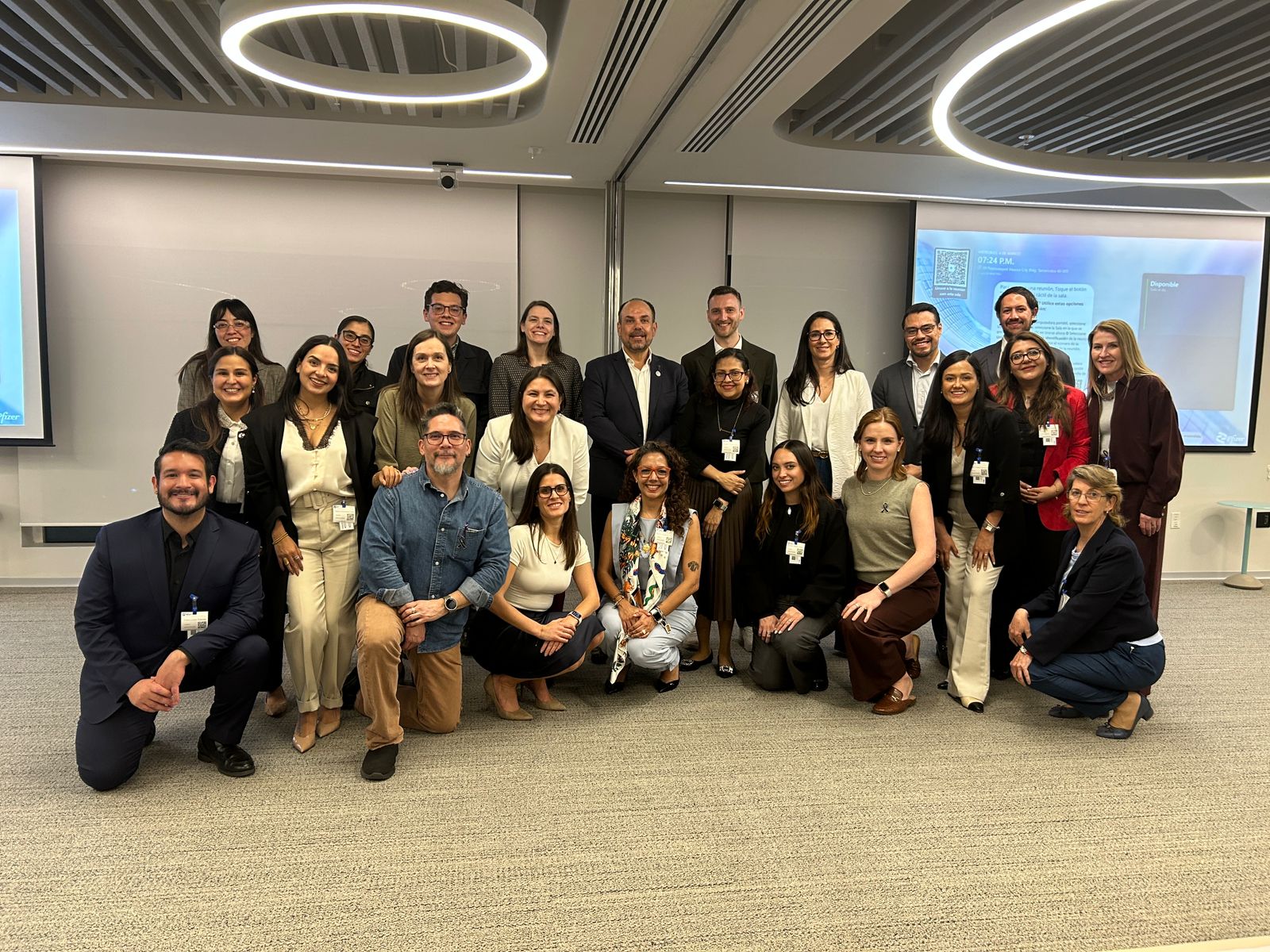
A pharmaceutical industry roundtable hosted by Pfizer brought together representatives from several leading biopharmaceutical companies to discuss how collaboration can expand access to biomarker testing and precision oncology in Mexico. Companies represented included Pfizer, Astellas, Boehringer Ingelheim, Bristol Myers Squibb, Johnson & Johnson, MSD, Servier, Takeda, and Teva. The discussion focused on how industry partners, patient organizations, clinicians, and policymakers can work together to address barriers to precision medicine, including strengthening biomarker testing infrastructure, generating evidence that demonstrates the value of precision medicine, and supporting advocacy efforts aimed at improving patient access to targeted therapies.
“Transforming cancer care requires collaboration across sectors,” said Francisco Freyría, Director General of FUTEJE. “By bringing together patient advocates, clinicians, policymakers, and industry partners, we can build the conditions needed so that every patient in Mexico receives the treatment that is right for them, at the right time.”
Vincent Raske of From Testing to Targeted Treatments emphasized the importance of connecting local action with global collaboration. “FT3 exists to improve patient outcomes by connecting the global precision medicine community and translating global expertise into local progress towards real patient access,” he said. “Mexico is an important example of how patient advocates, clinicians, and partners across the healthcare ecosystem can work together to accelerate progress.”

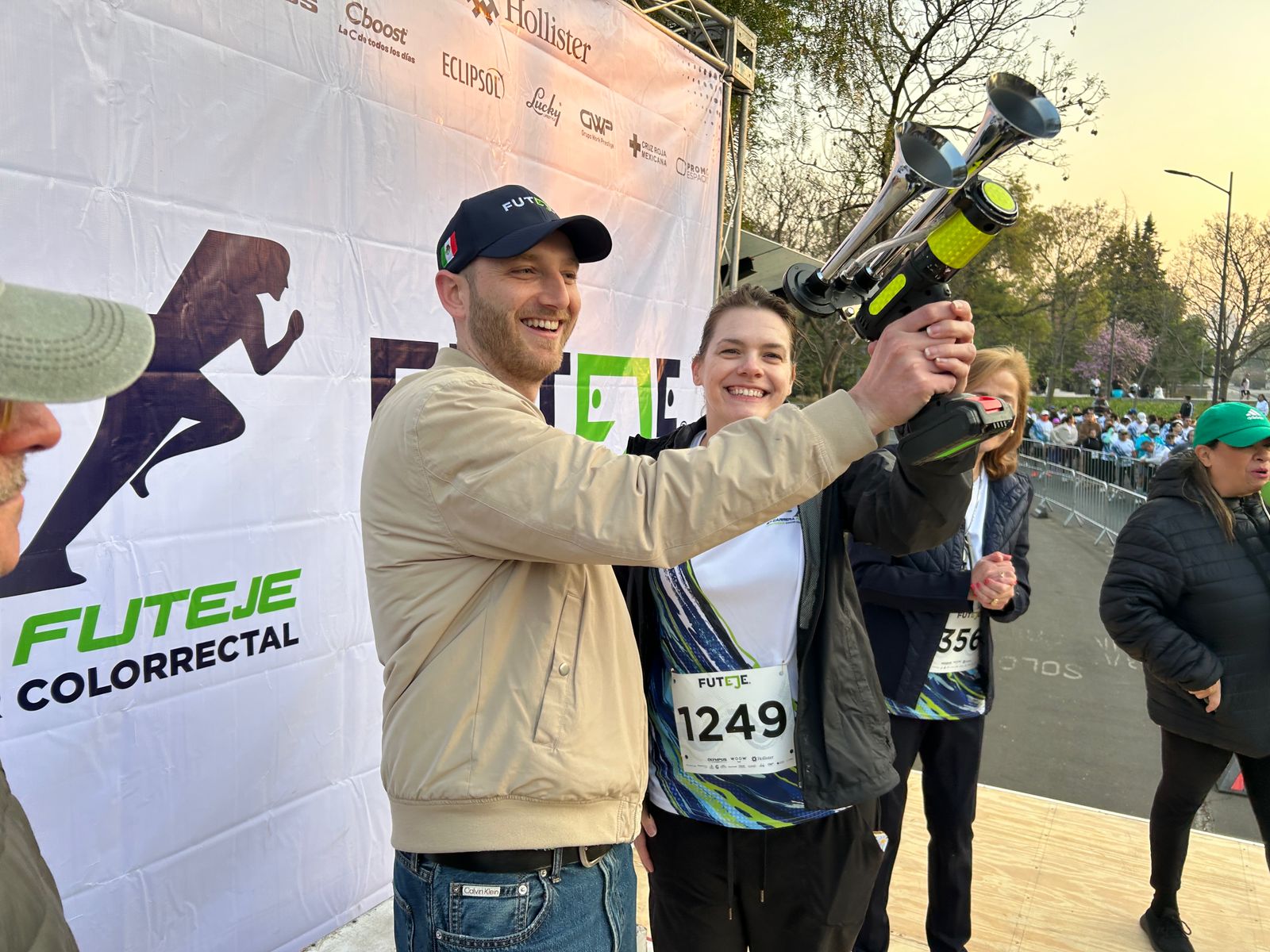
Another meaningful moment of the week was FUTEJE’s annual Race Against Colorectal Cancer, which closed out the visit and served as a powerful way to highlight Colorectal Cancer Awareness Month in Mexico. Now in its fifth year, the race brings together patients, survivors, families, clinicians, and advocates to raise awareness about colorectal cancer and promote the importance of early detection and screening. Participants gathered not only to support those currently facing the disease, but also to honor those lost to colorectal cancer and to reaffirm a shared commitment to prevention and access to care. For GCCA, the event represented a meaningful way to conclude a week of meetings focused on policy, healthcare systems, and precision medicine by returning the focus to the people and communities at the heart of this work.
The collaboration between GCCA, FUTEJE, and FT3 reflects a shared commitment to ensuring that advances in cancer science translate into better outcomes for patients everywhere. By combining global expertise with local leadership, partners are working to strengthen screening programs, expand access to biomarker testing, and build the policy and healthcare infrastructure needed to support patient access to the right treatment at the right time.
During Colorectal Cancer Awareness Month, the message from this week of collaboration is clear: progress is possible when stakeholders across the healthcare system come together with a shared commitment to improving patient outcomes. Through continued partnership and sustained advocacy, GCCA, FUTEJE, FT3, and their partners aim to ensure that every person diagnosed with colorectal cancer in Mexico has access to the tests, treatments, and care they need to survive and thrive.