
Bridging Continents and Cultures: Advancing Colorectal Cancer Advocacy and Patient-Centered Care in Japan
Colorectal cancer (CRC) remains one of the most diagnosed and preventable cancers globally, yet the strategies required to prevent, diagnose, and treat it effectively must adapt to the cultures and healthcare systems of each community we serve.
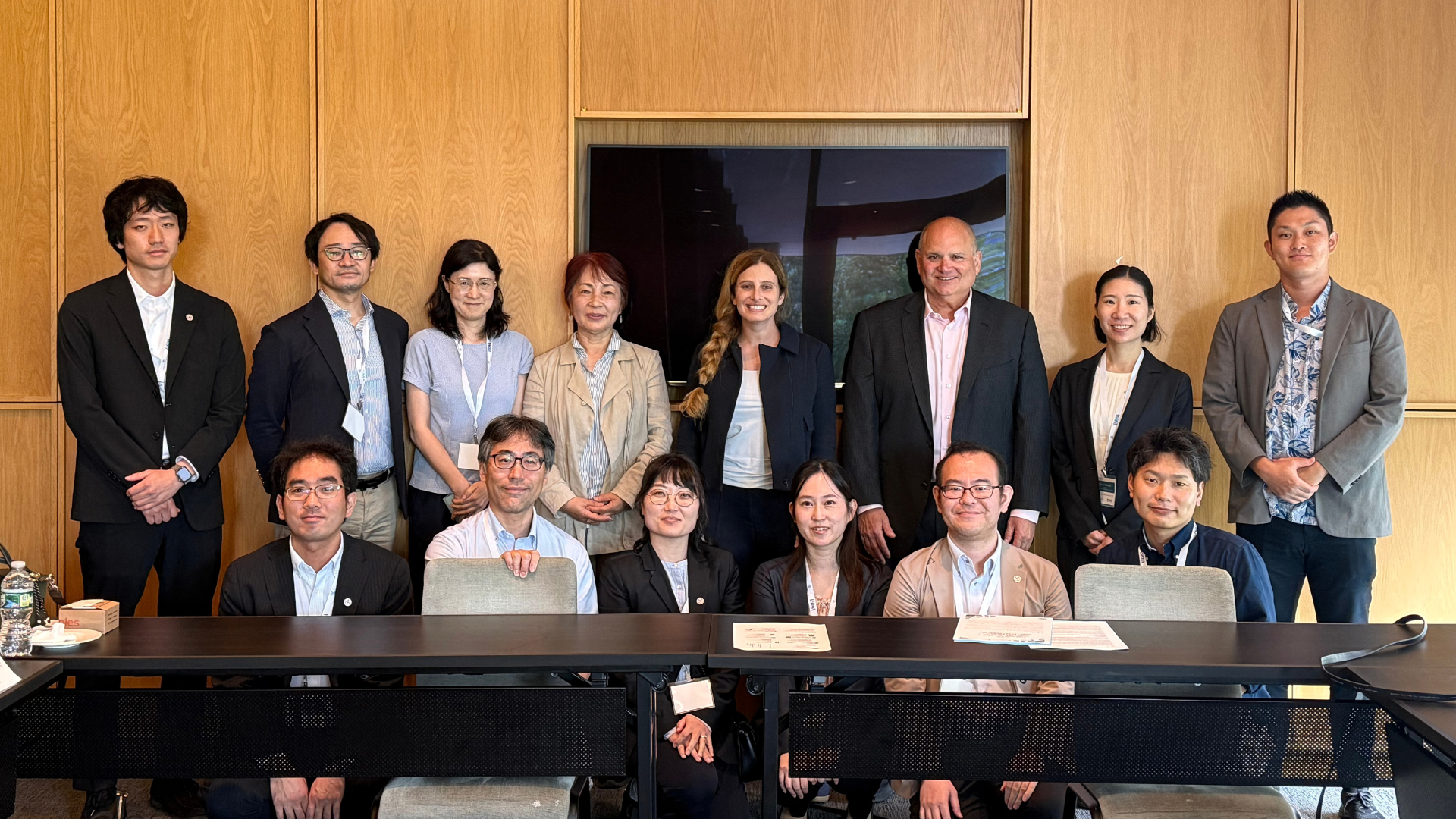
Recently, the Global Colon Cancer Association (GCCA), in partnership with the Mansfield Foundation, hosted an in-person event for Mansfield Fellows, a delegation of medical policymakers and researchers from Japan. The Mansfield Foundation is a non-profit organization that promotes understanding and cooperation among the nations and peoples of Asia and the United States. The meeting served as a dynamic exchange on how patient advocacy can shape public health, strengthen the doctor-patient relationship, and accelerate healthcare policy reform across borders.
The Global Blueprint: GCCA and International Patient Coalitions
Opening the discussion, GCCA CEO Andrew Spiegel shared GCCA’s mission and World Patients Alliance's broader role in international alliances. In the United States and across international coalitions, advocacy extends far beyond emotional support groups. Patient advocates actively partner with regulatory bodies, influence clinical trial designs, lobby for timely screening and drug approvals, and help define standards of care. For colorectal cancer, a disease where timely screening can quite literally eliminate cancer before it starts, effective advocacy means ensuring that health systems listen to patient realities and dismantle the policy barriers that delay care.
.JPG)
Culture, Communication, and Care: A View from the Japanese Diaspora
Speaking on behalf of GCCA’s Japanese American and community initiatives, Aiko Brody brought the conversation into sharp focus by bridging the lived experience of Japanese patients in the U.S. with the systemic realities of Japan’s healthcare environment.
For decades, navigating a cancer journey as a Japanese expat or immigrant in the U.S. has revealed a profound cultural tension. In Japan, patient care is historically rooted in deep respect, trust, and deference to authority (wa or social harmony). Patients often place complete confidence in their physicians and may hesitate to ask questions, challenge a diagnosis, or express personal preferences.
.JPG)
When Japanese families encounter Western healthcare, which expects patients to be assertive, ask probing questions, and make their own care decisions, the experience is often overwhelming culture shock, not just a language barrier. This cultural backdrop also explains where patient advocacy stands in Japan today. Traditionally, patient advocacy in Japan has functioned primarily through mutual support networks that offer empathy and community rather than public campaigning or systemic policy pushback.
Transforming the Doctor-Patient Dynamic and Policy in Japan
However, the landscape is shifting. As our dialogue with Japanese researchers and policymakers highlighted, there is immense opportunity for Japan to elevate the patient voice across every level of medicine. Policy leaders are increasingly recognizing Patient and Public Involvement (PPI) as vital to medical research and healthcare reform.
GCCA is excited to see policy think tanks and institutions in Japan pushing to embed patient perspectives into clinical trials and research frameworks. When patients have a seat at the decision-making table, public health campaigns for CRC screening become more culturally resonant, clinical trials recruit more equitably, and new therapies reach patients faster.
Moving Forward, Together
Our session closed with a shared commitment: GCCA will continue to work in partnership with Japanese researchers, clinicians, and advocacy leaders to build stronger bilateral relationships. Whether addressing disparities among Japanese Americans in the U.S. or supporting our counterparts in Tokyo, our goal remains the same: breaking down silence and stigma around colorectalcancer, championing patient-centered communication, and ensuring that every patient’s voice actively shapes their care.