
Psychological Wellbeing in CRC: Meet the Researcher
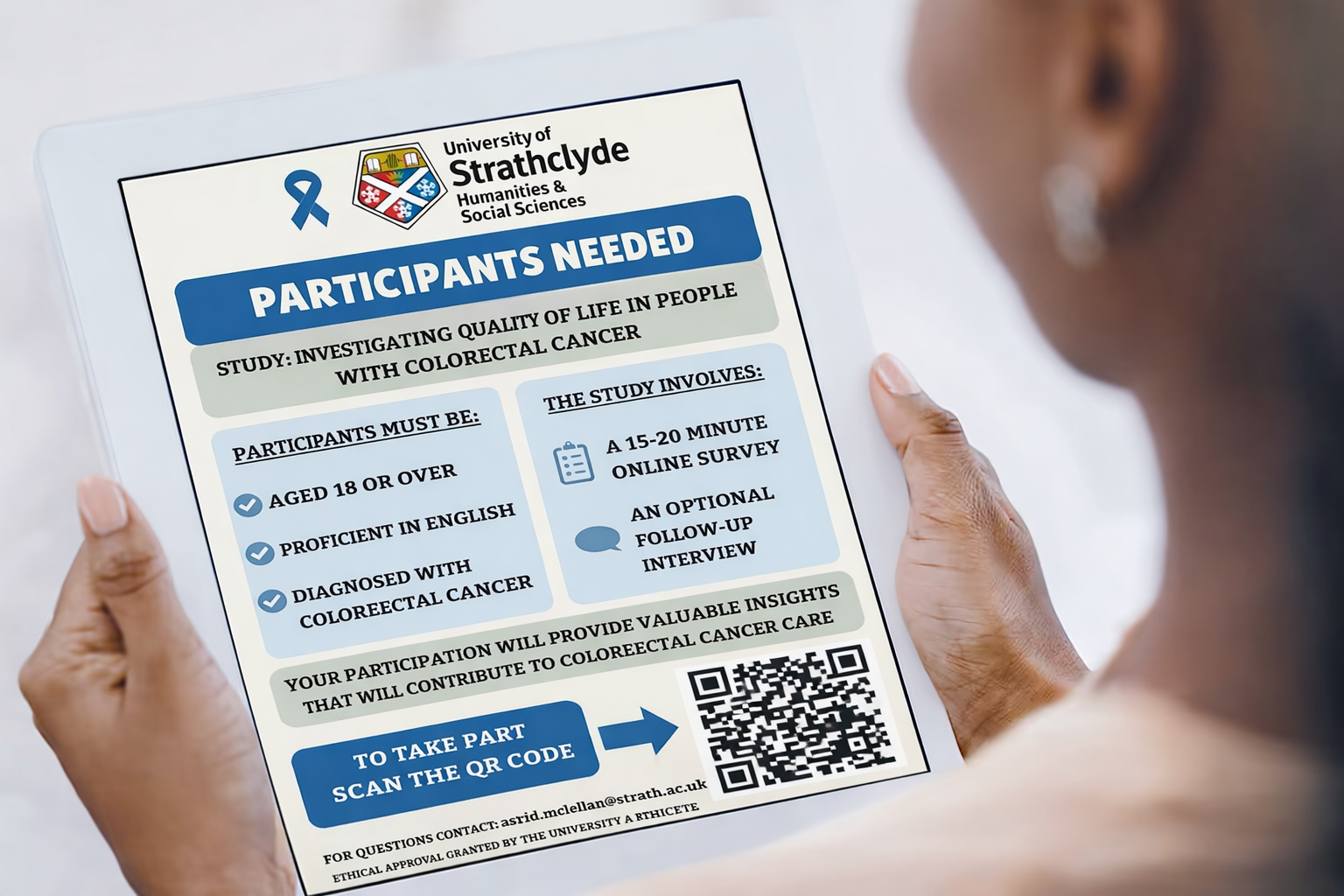
Living with colorectal cancer brings challenges that extend far beyond the physical, affecting mental health, daily routines, relationships, and overall sense of wellbeing. To better understand these experiences and identify ways to improve support for patients, researchers at the University of Strathclyde are conducting a study on psychological well-being and quality of life in people diagnosed with colorectal cancer. We recently sat down with Astrid McLellan, one of the study’s authors, to discuss what inspired this important work and how the findings could shape future care. If you have been diagnosed with colorectal cancer, we encourage you to participate in this vital research by taking the survey—your insights could help improve the lives of countless others navigating this journey.
What inspired you to pursue cancer research, and why colorectal cancer specifically?
I am currently undertaking a PhD in psychology, and my research explores quality of life in colorectal cancer. I was drawn to colorectal cancer research specifically because it’s incredibly common (third most common cancer worldwide) yet still surrounded by stigma. Many people feel uncomfortable talking about the side effects such as bowel symptoms, body changes, or the psychological impact of the cancer. I want to contribute to research that not only provides valuable insight to cancer care but also gives a voice to people with unique personal experiences that often go overlooked. I want to ensure that individuals with colorectal cancer feel heard.
What motivated this study on quality of life, and why is this such an important gap in colorectal cancer research?
Survival rates have improved, but this has left more people living with burdensome cancer related side effects. Many people live for years with long‑term physical and psychological side effects. Yet we still don’t fully understand how these experiences evolve over time or what support people need most. Quality of life is central to recovery, coping, physical wellbeing and psychological wellbeing.By focusing on this gap, we hope to highlight the issues that matter most to people with colorectal cancer and ensure they are reflected in future cancer care.
The study explores sleep as a key factor in wellbeing. Why is sleep such an important part of understanding quality of life for people with colorectal cancer?
Sleep is so important for overall health and wellbeing, yet it’s often neglected in cancer care. We know that poor sleep affects mood, cognition, functioning, coping, recovery and quality of life. For people with colorectal cancer, who may already be managing complex physical symptoms and side effects, sleep is such an important factor that is often overlooked.
You also ask about fatigue and pain. What do you hope to learn about how these symptoms affect daily life for patients?
Fatigue and pain are also two common side effects that are frequently reported by people with colorectal cancer. This can limit daily functioning, reduce social engagement and impact psychological wellbeing. By exploring these side effects, we hope to understand not just how prevalent they are but how they impact quality of life. This insight can guide better cancer management strategies and help support people in ways that truly reflect their lived experience.
The survey includes questions about mood and emotional wellbeing. Why is it essential to look at psychological health alongside physical symptoms?
Colorectal cancer affects far more than the physical body. Anxiety, depression, loss of control and fear of recurrence can all emerge at diagnosis, during treatment and long into survivorship. Psychological wellbeing influences how people cope, how they engage with care, how they experience recovery and how their quality of life is affected. When we look at physical health without considering psychological health, we only get half the story. Integrating both gives us better insight into colorectal cancer and advocates for support that treats the whole person, not just the disease.
You also ask about social support, family communication and relationships. How do these factors shape someone’s experience after a colorectal cancer diagnosis?
A cancer diagnosis affects not only the individual but also their family, friends, and wider support system. We know that having a social support system can improve coping, mental health and help people feel less alone. For colorectal cancer specifically, where symptoms can be intimate or embarrassing, having people who listen without judgement can make a massive difference. Understanding this helps us identify where additional support or resources may be needed.
There are questions on body image, digestion, and experiences with an ostomy. Why was it important to include these day‑to‑day quality of life issues?
These are some things that some people with colorectal cancer have reported and say they struggle with. Changes in bowel habits, concerns about odour or leakage, adjusting to a stoma and changes in body image can affect confidence, social life, psychological wellbeing and intimacy. These experiences are often overlooked and including them in the study ensures that we capture the realities that people navigate quietly and often without adequate support. It also helps normalise these conversations and validate the challenges people face.
What do you hope this research will ultimately change for people living with or beyond colorectal cancer?
Our hope is that this research leads to more compassionate, personalised, and holistic care. By highlighting the physical, psychological, and social challenges people experience, we hope to be able to inform cancer care and enhance quality of life in colorectal cancer. Most importantly, we want people living with cancer or survivors of cancer feel seen, heard and supported.